

Disagreements are a normal part of every relationship. Differences in personality, communication styles, and emotional needs naturally lead to conflict from time to time. However, experts often explain that the way couples handle disagreements can reveal much more than the argument itself.
Relationship patterns tend to appear through tone, emotional reactions, communication habits, and problem-solving behavior. Paying attention to these patterns can help couples better understand whether their conflicts are healthy, constructive, or potentially damaging over time.
1. Repeated arguments may point to unresolved issues

Occasional disagreements are completely normal, but recurring conflicts about the same topics can signal deeper unresolved concerns. When issues are never fully addressed, frustration often continues building beneath the surface. Over time, unresolved arguments may lead to emotional exhaustion and resentment. Healthy relationships usually involve a willingness to revisit issues calmly and work toward lasting solutions.
2. Avoiding conflict completely can create emotional distance

Some couples rarely argue, but that does not always mean the relationship is healthy. In certain situations, avoiding conflict may reflect discomfort with vulnerability or fear of upsetting the other person. Suppressing concerns instead of discussing them openly can gradually weaken emotional connection. Healthy communication often requires honesty, even when conversations feel uncomfortable.
3. Respectful disagreements often reflect strong communication
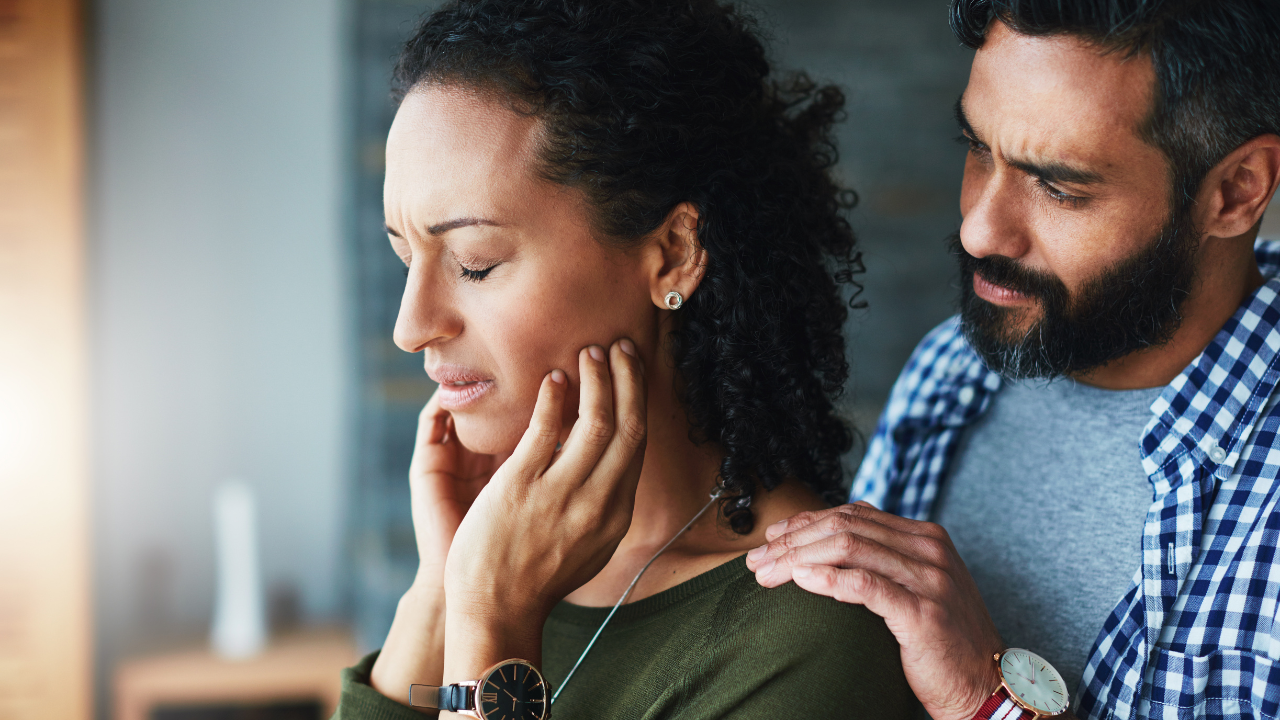
Conflict handled with patience and mutual respect can actually strengthen a relationship. Couples who listen carefully, avoid personal attacks, and focus on understanding each other usually create healthier communication patterns. Disagreements become more productive when both people feel emotionally safe expressing their opinions without fear of humiliation or dismissal.
4. Escalating arguments may reveal emotional regulation struggles

Arguments that quickly become intense, hostile, or emotionally overwhelming may indicate difficulty managing stress or emotions effectively. Raised voices, insults, or emotional outbursts often make resolution more difficult. Experts frequently emphasize that emotional regulation plays an important role in healthy communication. Staying calm during conflict helps create space for clearer conversations and better understanding.
5. Constantly trying to “win” can damage the connection

When disagreements become competitions rather than conversations, emotional distance often follows. Focusing only on proving a point may leave both partners feeling unheard and unsupported. Healthy relationships generally prioritize compromise, understanding, and teamwork over keeping score or trying to defeat the other person during conflict.
6. Unresolved tension can slowly build resentment

Arguments that end without resolution may leave lingering emotional frustration. Over time, unresolved issues can affect trust, communication, and emotional closeness within the relationship. Addressing problems directly and respectfully can help prevent resentment from quietly growing beneath everyday interactions.
7. Apologizing sincerely reflects emotional maturity

Being willing to admit mistakes and apologize genuinely can strengthen trust after disagreements. Accountability often shows respect for the relationship and a willingness to repair emotional harm. Healthy apologies usually involve both acknowledgment and effort to improve rather than simply ending the argument quickly.
8. Repeated criticism can affect emotional well-being
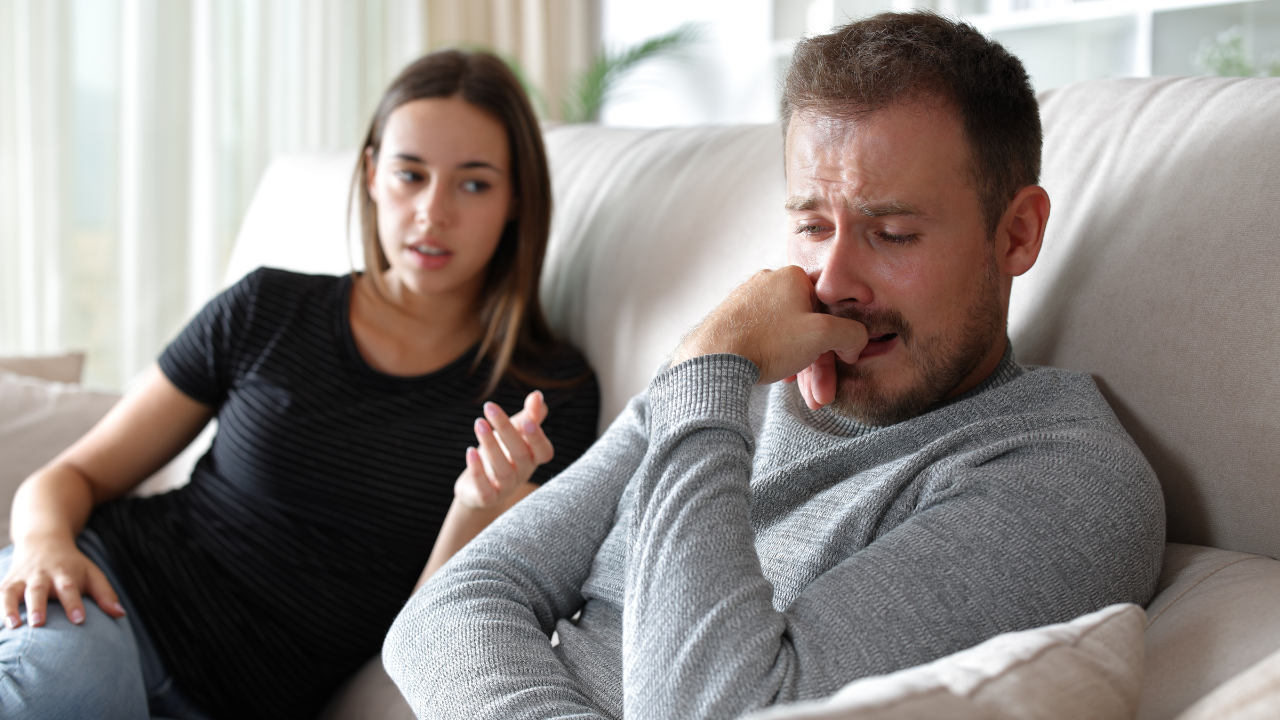
There is a major difference between discussing concerns and constantly criticizing someone personally. Repeated negative comments during disagreements may gradually damage confidence and emotional security. Constructive communication typically focuses on behaviors or situations instead of attacking someone’s personality, appearance, or worth.
9. Solving problems together often strengthens partnerships
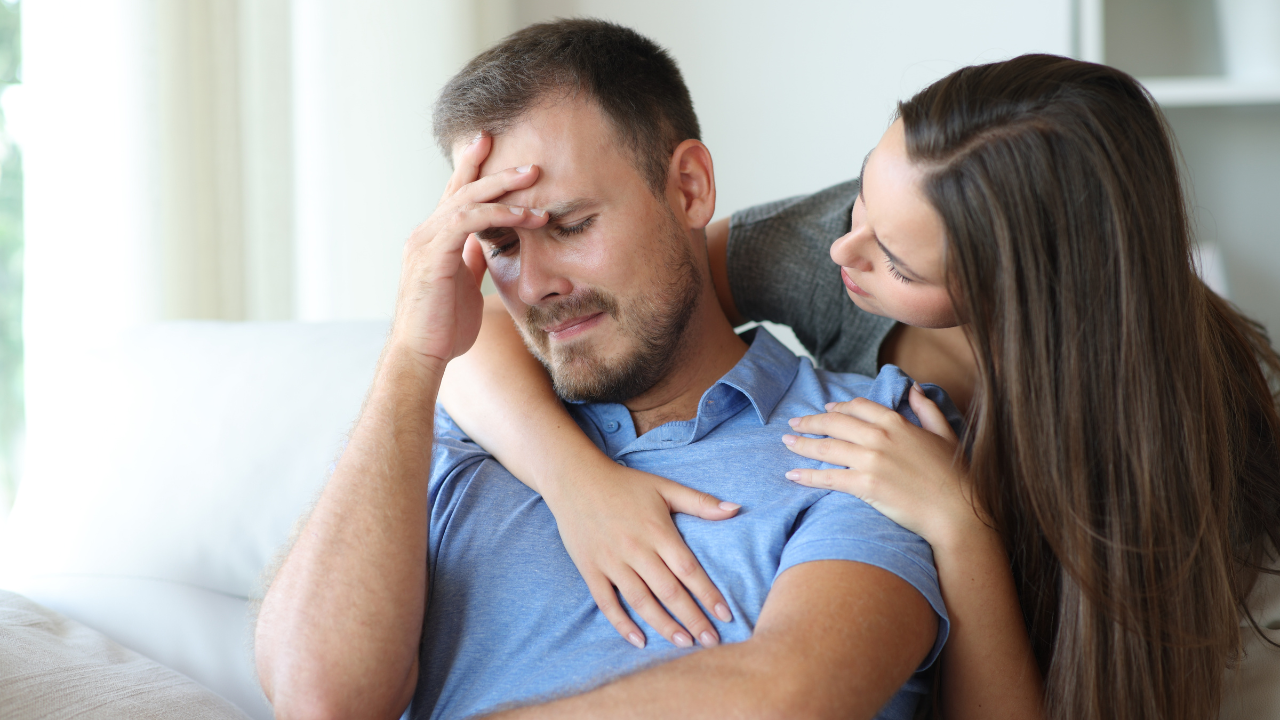
Couples who approach disagreements as shared challenges rather than personal battles often build stronger emotional bonds. Working together toward solutions reinforces trust and mutual support. This collaborative mindset helps create a stronger sense of partnership during stressful situations or major life decisions.
10. Emotional reactions during conflict can reveal deeper needs

Arguments often reveal unmet emotional needs, fears, or insecurities that may not surface in everyday interactions. Feelings of rejection, lack of support, or fear of being unheard can sometimes surface through conflict. Understanding the emotions beneath disagreements can help couples communicate more effectively and strengthen their emotional connection over time.
Comments (0)
No comments yet. Be the first to share your thoughts!