
Current Date: 5 June, 2026

22 relationship habits therapists commonly see in lasting partnerships

Healthy relationships don’t rely on luck; they're built through small, intentional habits that couples practice every day. Real partners and relationship experts agree that the strongest bonds come from communication, emotional awareness, and consistent effort. These practical insights can help improve connection at any stage of a relationship.

1. Focus on Positive Signs Early

1. Focus on Positive Signs Early
© Shutterstock / LightField Studios

Many people enter relationships expecting problems instead of looking for what is working. Relationship expert James Preece suggests shifting attention toward positive behaviors that show compatibility and emotional safety. When couples focus on what feels right instead of what might go wrong, trust builds more naturally over time. This mindset helps create a healthier emotional foundation from the beginning.

2. Avoid Constant Criticism

2. Avoid Constant Criticism
© Shutterstock / Rebel Red Runner

Tash explains that criticism often comes from habits learned in families, but it can damage romantic relationships. While feedback is important, constant commenting on appearance or behavior can feel draining to a partner. She learned to adjust her communication style to be more sensitive and supportive. Healthy relationships thrive when encouragement replaces unnecessary judgment.

3. Be Careful with Ex Talk

3. Be Careful with Ex Talk
© Shutterstock / Prostock-studio

Siobhan realized that frequently mentioning an ex can create emotional distance in a new relationship. Even casual comparisons or stories can make a partner feel uncomfortable or insecure. While discussing past experiences is normal, overdoing it may signal unresolved feelings. Healthy communication keeps focus on the present relationship instead of the past.

4. Build Fun Into the Relationship

4. Build Fun Into the Relationship
© Shutterstock / LightField Studios

Love coach Cate Mackenzie highlights that relationships can become routine if couples forget to have fun together. Stress and responsibility can make partners feel more like family members than lovers. Creating space for joy, laughter, and shared activities helps reset emotional connection. Fun acts as emotional fuel that keeps relationships warm and engaging.

5. Make Effort with Family Connections

5. Make Effort with Family Connections
© Shutterstock / SynthEx

Laura shared that avoiding a partner’s family can unintentionally create misunderstandings. Family relationships play a key role in long-term bonding and emotional acceptance. Even small efforts to attend gatherings or connect with relatives can strengthen trust. Balance is important, but showing willingness builds respect in the relationship.

6. Rely on Your Support System

6. Rely on Your Support System
© Shutterstock / bbernard

Experts emphasize the importance of friends and experienced couples as emotional support. External perspectives can help normalize challenges and remind couples that disagreements are part of growth. Support networks encourage healthy repair after conflicts instead of emotional withdrawal. Strong relationships are often supported by strong communities.

7. Manage Jealousy Maturely

7. Manage Jealousy Maturely
© Shutterstock / Olena Yakobchuk

Cass explains that unmanaged jealousy can create tension and unnecessary conflict in relationships. While occasional insecurity is normal, constant suspicion can weaken trust. Open communication is key to clearing misunderstandings quickly. Mature handling of jealousy strengthens emotional safety between partners.

8. Maintain Emotional Connection

8. Maintain Emotional Connection
© Shutterstock / NDAB Creativity

Love coach Cate suggests remembering the early emotional excitement of the relationship. Couples can strengthen bonds by expressing gratitude and sharing future goals together. Emotional connection is maintained through appreciation and consistent affection. This helps prevent emotional distance over time.

9. Don’t Fear Healthy Arguments

9. Don’t Fear Healthy Arguments
© Shutterstock / wavebreakmedia

Amy learned that arguments do not automatically mean a relationship is ending. Disagreements are natural and can actually improve understanding when handled respectfully. Avoiding conflict often creates more pressure than resolving it. Strong couples learn to repair and reconnect after disagreements.

10. Remember Important Dates

10. Remember Important Dates
© Shutterstock / Temitiman

Stephanie shared how forgetting meaningful dates can make a partner feel unvalued. Small efforts like remembering birthdays or anniversaries show emotional care and attention. Simple tools like reminders or calendars can prevent misunderstandings. Consistency in remembering details strengthens emotional appreciation.

11. Focus on Real Meetings Early On

11. Focus on Real Meetings Early On
© Shutterstock / Nataliya Dmytrenko

Cate recommends prioritizing in-person connection over excessive texting in early dating stages. Messages can create assumptions that don’t always reflect real compatibility. Short and meaningful meetings help maintain clarity and reduce emotional overinvestment. Real-life interaction builds stronger understanding.

12. Don’t Rush Commitment

12. Don’t Rush Commitment
© Shutterstock / YAKOBCHUK VIACHESLAV

Dating coach Kate Mansfield explains that rushing into commitment often avoids important emotional growth. Early dating challenges help individuals understand emotional security and boundaries. Learning to handle uncertainty builds stronger long-term relationship skills. Healthy relationships are built on patience and emotional awareness.

13. Ask for Help When Needed

13. Ask for Help When Needed
© Shutterstock / Andrii Yalanskyi

Cate emphasizes that relationship support is not a sign of failure but of maturity. Seeking guidance helps couples improve communication and reduce recurring issues. Just like maintaining physical health, emotional health sometimes needs external support. Professional help can strengthen connection and understanding.

14. Value Small Acts of Kindness

14. Value Small Acts of Kindness
© Shutterstock / antoniodiaz

Seamus highlights that small gestures often matter more than big romantic moments. Simple actions like preparing something thoughtful or remembering preferences build emotional warmth. These everyday efforts create a sense of being valued and understood. Consistency in kindness strengthens emotional bonding.

15. Don’t Rush Big Life Decisions

15. Don’t Rush Big Life Decisions
© Shutterstock / Andrii Iemelianenko

Miriam explains that rushing into shared responsibilities like pets or major commitments can create unnecessary stress. Couples need time to understand compatibility before taking major steps. Gradual decision-making helps avoid emotional pressure. Stability grows when choices are made thoughtfully.

16. Talk About Future Goals

16. Talk About Future Goals
© Shutterstock / mapo_japan

Candice emphasizes the importance of discussing long-term goals early in relationships. Topics like marriage, children, and lifestyle preferences help align expectations. Avoiding these conversations can lead to misunderstandings later. Honest discussions build stronger long-term compatibility.

17. Be Honest About Money

17. Be Honest About Money
© Shutterstock / BearFotos

Holly shared that financial honesty is essential in preventing resentment. Differences in income can create tension if not addressed openly. Couples benefit from choosing plans that feel fair to both partners. Financial transparency builds trust and reduces conflict.

18. Start Thinking as a Team

18. Start Thinking as a Team
© Shutterstock / Olena Yakobchuk

Micah explains that committed relationships require a shift from “me” to “we.” Decisions become shared, and both partners consider each other’s needs. Acting as a team strengthens unity and reduces individual conflict. This mindset supports long-term stability.

19. Don’t Try to Change Your Partner

19. Don’t Try to Change Your Partner
© Shutterstock / Dean Drobot

Alun emphasizes that entering a relationship with the intention to change someone is unrealistic. Real acceptance is key to lasting connection. Trying to reshape a partner often leads to frustration. Healthy relationships are based on mutual respect, not control.

20. Avoid “Someone Better” Thinking

20. Avoid “Someone Better” Thinking
© Shutterstock / Mladen Mitrinovic

Frida explains that dating apps can create constant comparison anxiety. This mindset makes it harder to appreciate current relationships. Commitment requires focusing on the present connection. Trust grows when distractions are minimized.

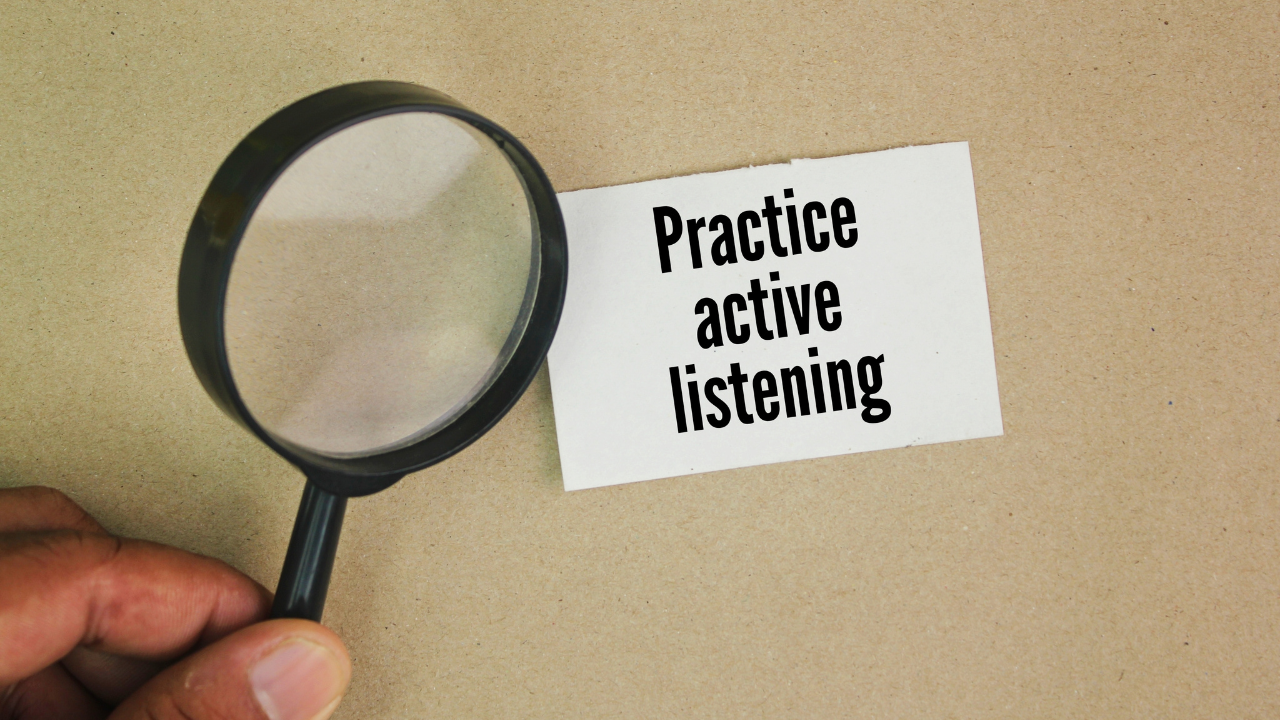
21. Practice Active Listening

21. Practice Active Listening
© Shutterstock / MAFPHOTOART8

Livvy highlights that listening is one of the most attractive relationship skills. Many people respond instead of truly understanding their partner. Active listening builds emotional trust and deeper communication. Feeling heard strengthens connection significantly.

22. Be Authentic

22. Be Authentic
© Shutterstock / Leszek Glasner

Kate explains that hiding your personality creates long-term relationship stress. Authenticity allows genuine connection to develop naturally. Pretending to be someone else leads to emotional exhaustion. Real relationships thrive on honesty and self-expression.

Comments (0)

No comments yet. Be the first to share your thoughts!

Leave a Reply