

Current Date: 6 June, 2026

15 relationship habits people often reconsider in healthier relationships

Love can slowly become something we simply adapt to. Over time, many people normalize emotional exhaustion, constant uncertainty, or feeling unseen because they assume every relationship works that way. It is often only after experiencing a healthier connection that they recognize how much pain they quietly carried before.

A healthier relationship does not magically erase the past, but it can offer clarity. It shows the difference between emotional survival and genuine emotional safety. Here are 15 things many people only realized were unhealthy in past relationships after dating someone new.

1. Love should not feel like constant anxiety

1. Love should not feel like constant anxiety
© Shutterstock / Zamrznuti tonovi

Many people mistake emotional uncertainty for passion. Waiting endlessly for replies, overthinking every conversation, or constantly worrying about upsetting a partner can start to feel normal over time. Then they meet someone who brings calm instead of confusion. A healthier relationship feels steady, reassuring, and emotionally safe. Instead of constantly questioning where they stand, they finally feel secure enough to relax and trust the connection.

2. Feeling afraid to speak honestly is not healthy

2. Feeling afraid to speak honestly is not healthy
© Shutterstock / simona pilolla 2

Some people spend years carefully filtering their thoughts to avoid arguments, criticism, or emotional withdrawal. They stay quiet because speaking honestly feels risky. In healthier relationships, communication does not feel dangerous. They discover that honesty can exist without fear and that disagreements do not automatically threaten the relationship. Being able to speak openly becomes a sign of emotional safety rather than conflict.

3. Small actions matter more than dramatic promises

3. Small actions matter more than dramatic promises
© Shutterstock / simona pilolla 2

Grand declarations of love can sound meaningful, but many people later realize they rarely felt supported in everyday life. The relationship may have been full of words but lacking consistency. A healthier partner often shows care through small daily actions, remembering important details, checking in during stressful moments, or simply being dependable. Over time, those quiet gestures feel far more meaningful than dramatic speeches ever did.

4. Love is not supposed to feel emotionally exhausting

4. Love is not supposed to feel emotionally exhausting
© Shutterstock / Impact Photography

Some people grow up believing that real love always involves struggle, sacrifice, and emotional pain. They associate suffering with commitment and loyalty. Only later do they realize that healthy love should feel supportive rather than emotionally draining. A strong relationship still has challenges, but it should not constantly leave someone anxious, depleted, or emotionally overwhelmed.

5. Attention should not have to be begged for

5. Attention should not have to be begged for
© Shutterstock / Studio Romantic

Many people normalize feeling emotionally overlooked. They convince themselves their partner is simply busy, distracted, or emotionally unavailable by nature. Then they experience a relationship where care and attention happen naturally. They realize that emotional presence is not something healthy partners make each other fight for. Feeling valued should never require constant pleading.

6. Disagreements do not have to become emotional battles

6. Disagreements do not have to become emotional battles
© Shutterstock / antoniodiaz

In some unhealthy relationships, every disagreement turns into blame, defensiveness, or emotional punishment. Conflict feels threatening instead of productive. Healthier relationships show that arguments can happen without destroying the emotional connection. Respect, patience, and emotional control make conflict feel manageable rather than frightening. People often realize later that peace during disagreements is a sign of maturity, not a lack of passion.

7. Peace can actually be a form of love

7. Peace can actually be a form of love
© Shutterstock / PeopleImages

Many people romanticize emotional chaos because movies, social media, and past experiences taught them that love should feel intense all the time. Then they experience a relationship built on emotional steadiness. Quiet mornings, calm conversations, and emotional consistency begin to feel deeply comforting. They realize peace is not boring — it is emotionally healthy.

8. Taking care of yourself is not selfish

8. Taking care of yourself is not selfish
© Shutterstock / maxbelchenko

Some people lose themselves completely inside relationships. They prioritize their partner’s needs so heavily that their own emotional well-being slowly disappears. Healthier love allows room for individuality, personal goals, and emotional balance. People often realize later that healthy relationships support personal growth instead of demanding constant self-sacrifice.

9. Jealousy is not proof of love

9. Jealousy is not proof of love
© Shutterstock / NDAB Creativity

Possessiveness and jealousy are often mistaken for passion. Some people believe constant questioning or controlling behavior means their partner cares deeply. Later, they experience a relationship built on trust instead of suspicion. They realize that genuine love does not require constant monitoring or emotional control. Trust creates security in ways jealousy never can.

10. Being alone is healthier than feeling lonely with someone

10. Being alone is healthier than feeling lonely with someone
© Shutterstock / Volodymyr TVERDOKHLIB

Fear of loneliness keeps many people in unhealthy relationships far longer than they should. Silence and solitude seem scarier than emotional dissatisfaction. Eventually, many discover that loneliness inside a relationship feels far heavier than being single. Emotional peace alone often feels healthier than constantly feeling unseen beside the wrong person.

11. Respect matters more than emotional intensity

11. Respect matters more than emotional intensity
© Shutterstock / PeopleImages

Passion may create attraction, but respect determines whether a relationship remains emotionally healthy over time. Some people only recognize this after leaving relationships filled with volatility or disrespect. A healthier relationship feels emotionally safe. Calm communication, patience, and mutual understanding replace emotional instability. They realize that respect is one of the strongest forms of lasting love.

12. Feeling truly heard changes everything

12. Feeling truly heard changes everything
© Shutterstock / pics five

Many people do not realize how emotionally dismissed they felt until they meet someone who genuinely listens. Being interrupted, ignored, or emotionally overlooked may have once seemed normal. Then they experience conversations where their feelings are taken seriously. They realize that active listening creates emotional intimacy and trust in ways surface-level communication never could.

13. They were not “too much” after all

13. They were not “too much” after all
© Shutterstock / PeopleImages

Unhealthy relationships often leave people blaming themselves for emotional problems. They start believing they are overly emotional, demanding, or difficult to love. A healthier relationship can completely change that perspective. They realize they were not asking for too much; they were simply asking the wrong person for basic emotional care and consistency.

14. Love should not require constant reassurance

14. Love should not require constant reassurance
© Shutterstock / Drazen Zigic

Some relationships create constant insecurity, forcing one person to repeatedly prove their worth or question the stability of the connection. Then they experience a relationship where love feels steady and dependable. Consistent behavior replaces confusion, and trust develops naturally. They realize healthy love feels secure rather than emotionally exhausting.

15. Real love should not leave lasting emotional pain
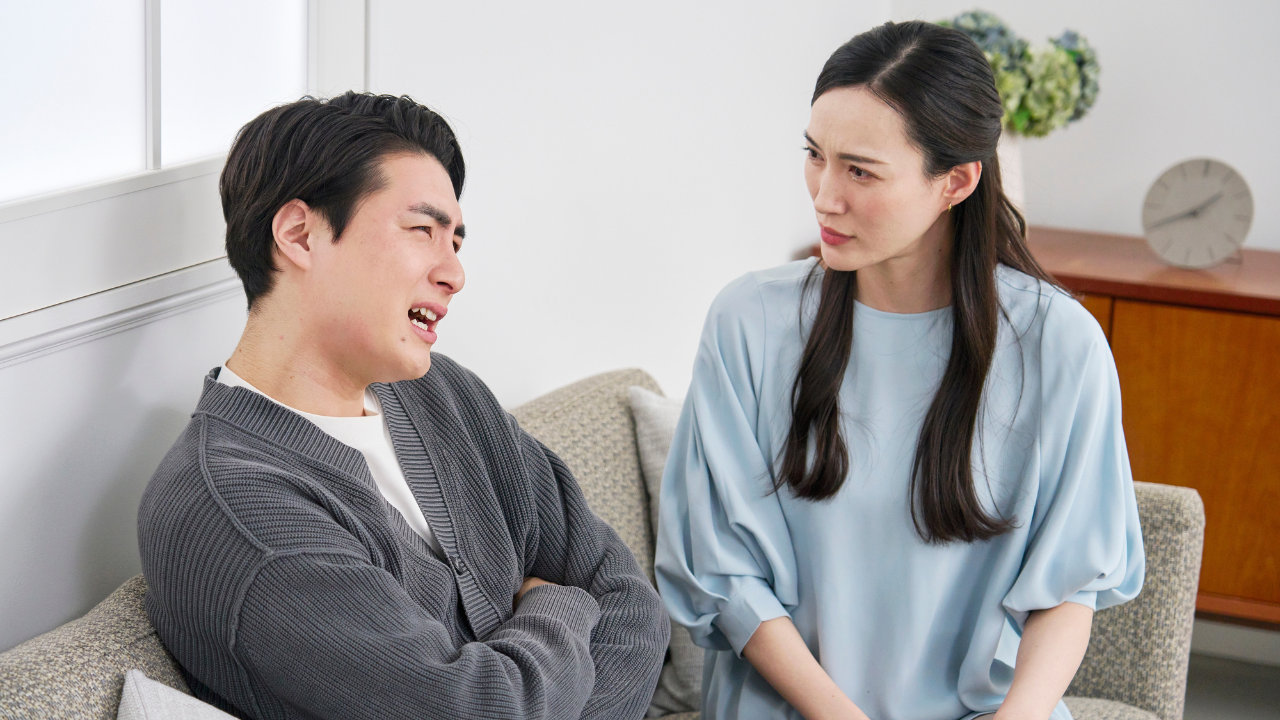
15. Real love should not leave lasting emotional pain
© Shutterstock / siro46

Perhaps the biggest realization comes quietly. Many people eventually understand that love is not supposed to constantly hurt. Emotional connection should feel nurturing, supportive, and safe far more often than painful. Healthy love still requires effort, communication, and compromise, but it should never consistently damage someone’s confidence, peace, or emotional well-being. Once people experience that difference, they often realize they can no longer settle for relationships built on emotional survival instead of genuine care.

Comments (0)

No comments yet. Be the first to share your thoughts!

Leave a Reply