Relationship experts often note that later-life divorce can create unique emotional challenges that can feel overwhelming even for people who believed they were prepared. Ending a long marriage is not only about legal paperwork or changing living arrangements. It can also affect identity, routines, friendships, family relationships, and future expectations in ways many people do not fully anticipate at first.
For many individuals, this stage of life involves balancing grief, uncertainty, freedom, and emotional rebuilding all at once. While every experience is different, relationship experts often note that later-life divorce can create unique emotional challenges compared to separations earlier in adulthood. Here are 12 difficult realities many people face after a later-in-life divorce.
1. Relief and sadness can exist together
© Shutterstock / DimaBerlin
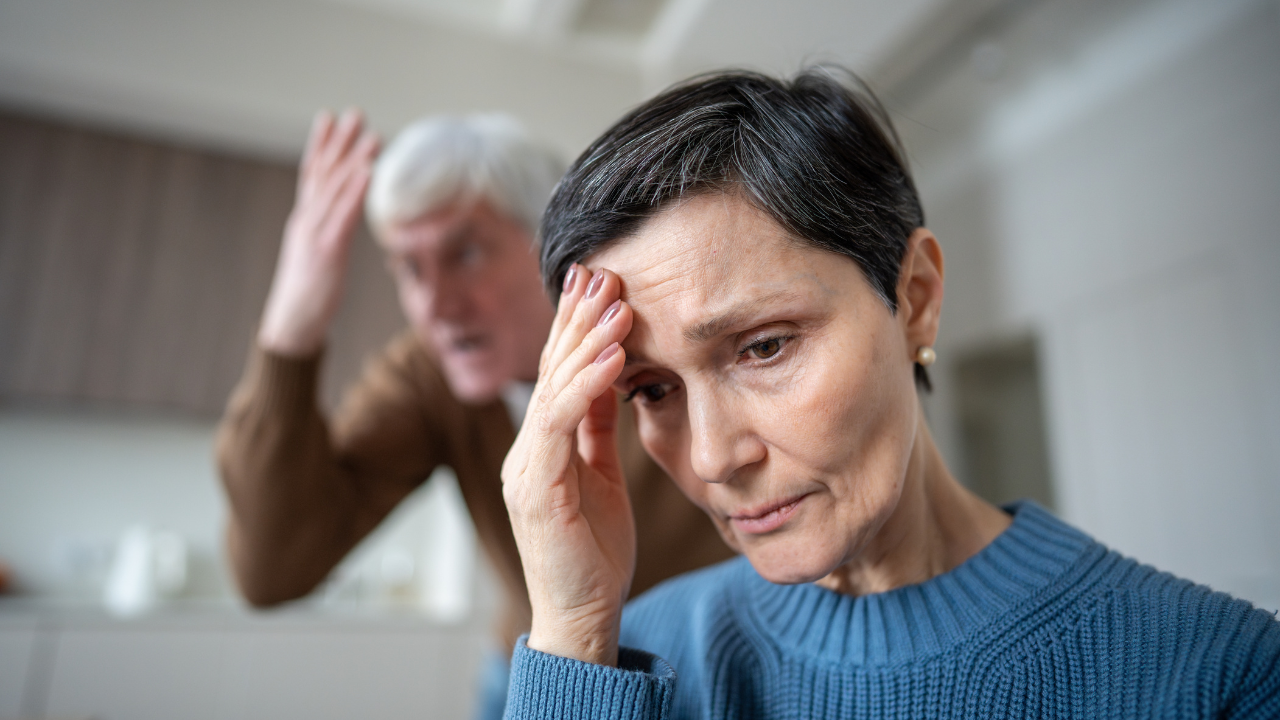
Many people feel emotionally conflicted after a divorce later in life. Even when ending the marriage feels like the healthiest decision, grief can still appear alongside relief because decades of shared memories and routines suddenly disappear. This emotional contradiction is often completely normal during major life transitions. Letting go of a long relationship may create both emotional freedom and sadness at the same time, especially when people are grieving the future they once imagined.
2. Your identity starts changing
© Shutterstock / Hananeko Studio
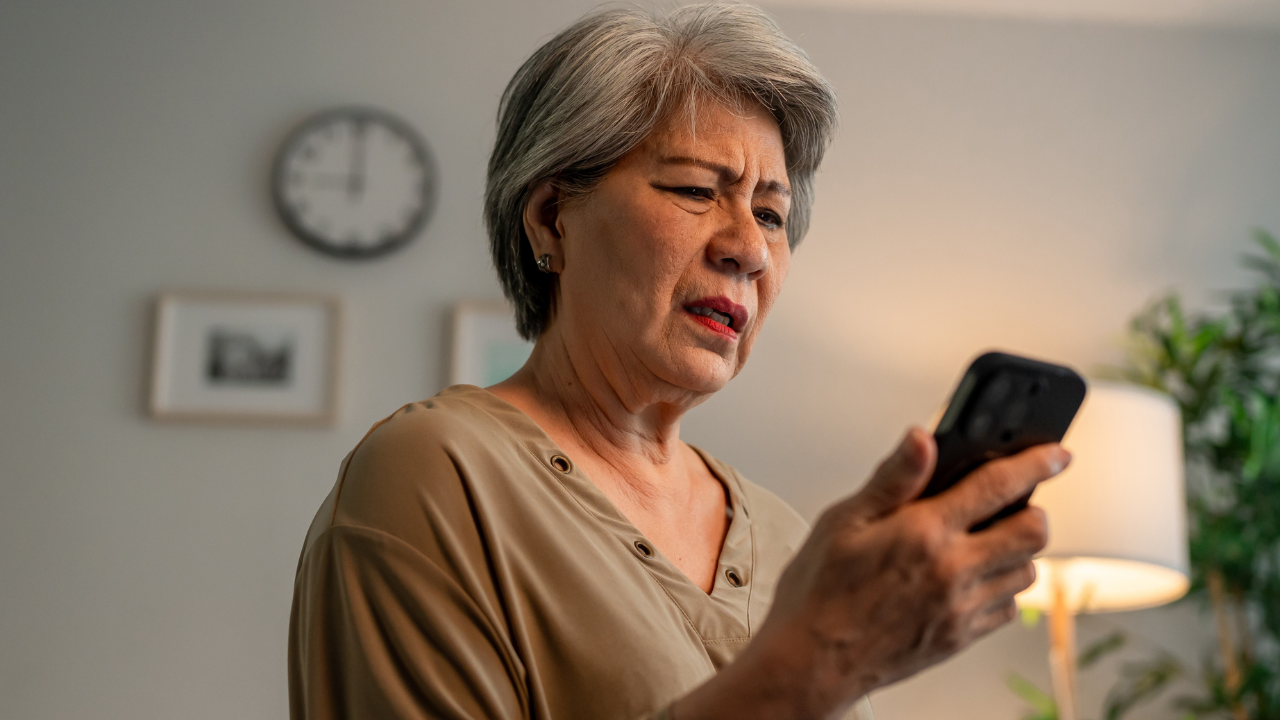
Long marriages often shape how people see themselves socially, emotionally, and personally. After a divorce, many individuals realize that much of their identity became connected to being someone’s spouse rather than simply existing as themselves. Rebuilding personal identity can take time and emotional adjustment. Many people spend months or years rediscovering hobbies, routines, goals, and parts of themselves that became less visible during marriage.
3. The silence at home feels different
© Shutterstock / PeopleImages
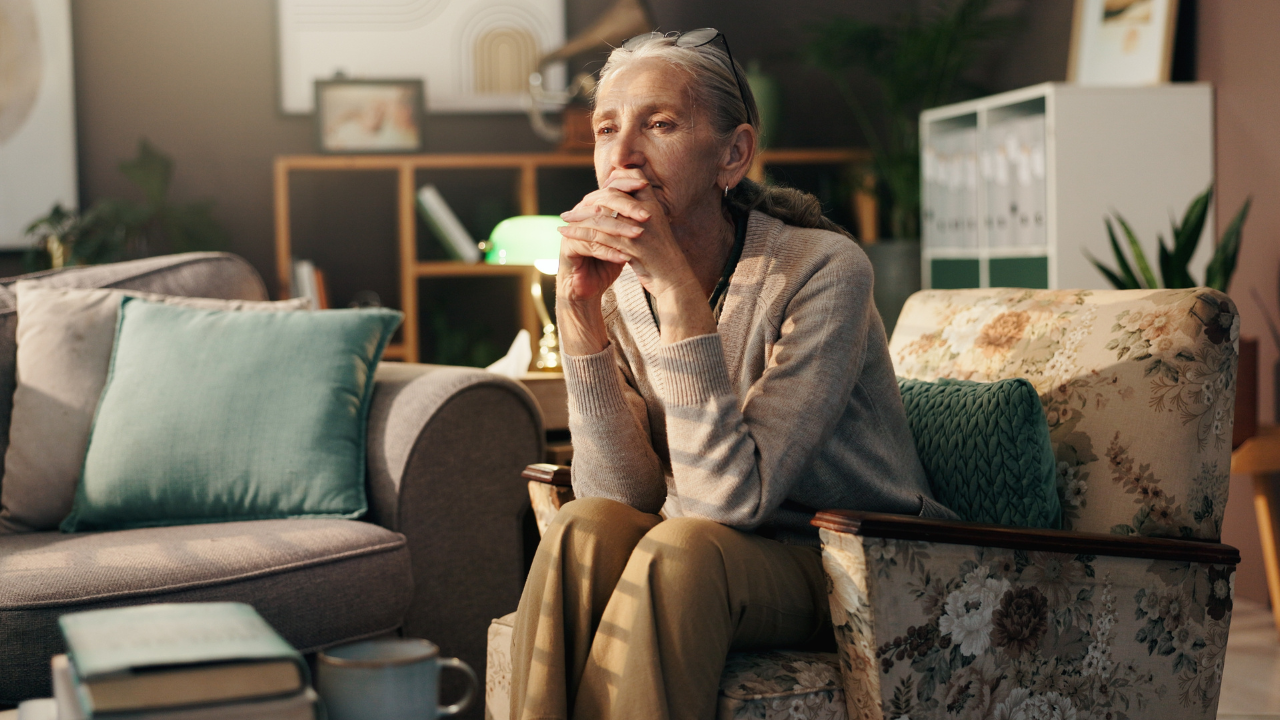
Some people initially expect peace after leaving a stressful relationship, but the quietness of living alone can sometimes feel emotionally heavier than expected. Shared routines, conversations, and even ordinary background noise suddenly disappear from daily life. The emotional adjustment to solitude often becomes one of the hardest parts of rebuilding after divorce. Over time, many individuals gradually learn how to create new routines and emotional comfort within their own space.
4. Friendships sometimes change unexpectedly

© Shutterstock / PeopleImages
Divorce can quietly reshape social circles, especially among longtime couple friends. Some friendships grow stronger, while others grow distant because people feel uncomfortable, uncertain, or pressured to avoid conflict with former partners. Many divorced adults later realize that certain friendships were tied more closely to the marriage itself. Although painful at first, this transition often reveals which relationships remain supportive and genuine over time.
5. Adult children may struggle emotionally
© Shutterstock / Ground Picture
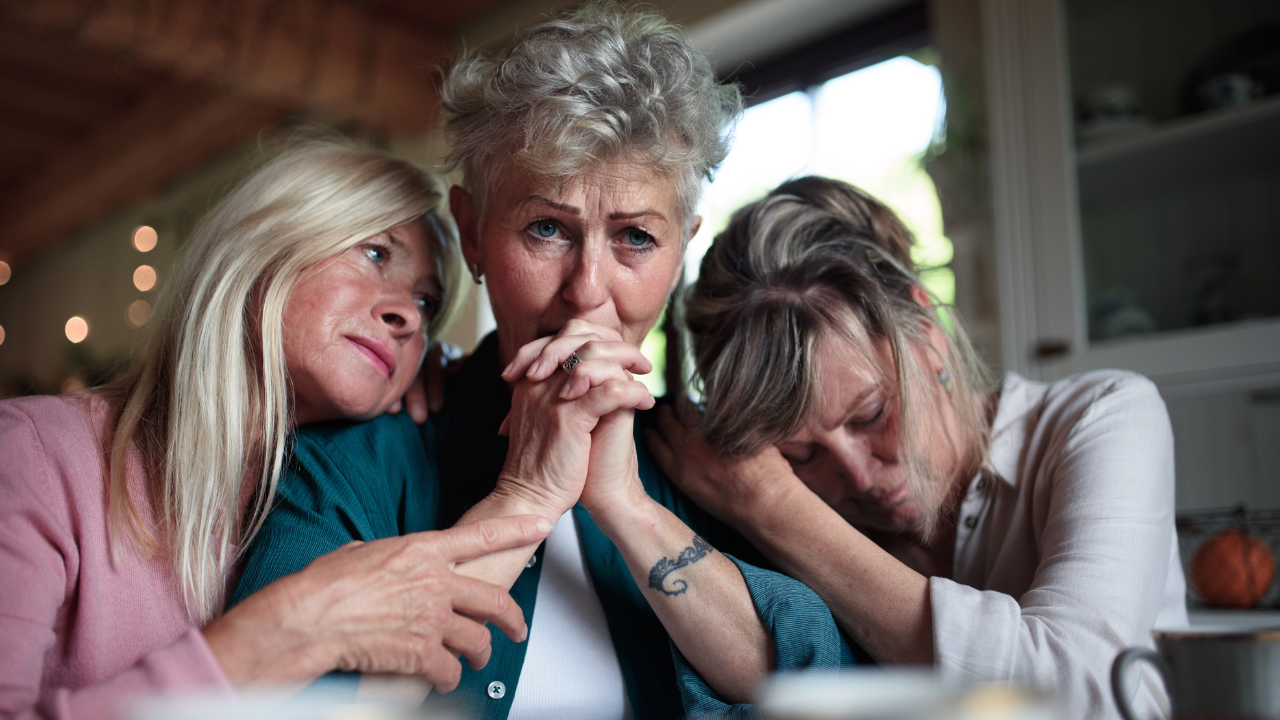
Even when children are grown adults with independent lives, divorce can still affect them emotionally. Many adult children experience sadness, confusion, frustration, or anxiety as they adjust to changes within the family structure they always knew. Parents are sometimes surprised by how deeply adult children react to separation later in life. Emotional adjustment often takes time because family traditions, routines, and emotional expectations suddenly change for everyone involved.
6. Financial decisions feel emotionally personal
© Shutterstock / MAYA LAB
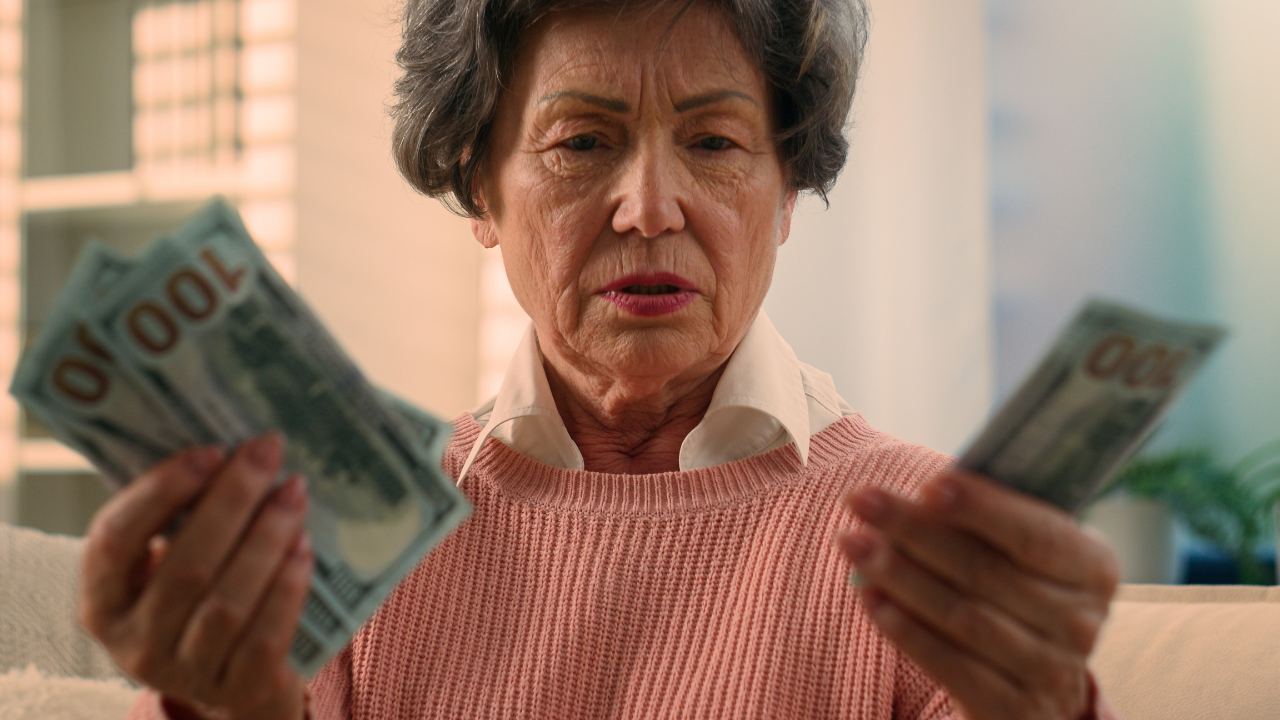
Dividing finances after decades together often carries emotional weight far beyond numbers or paperwork. Selling a shared home, splitting savings, or changing retirement plans can feel like physical evidence that an entire chapter of life is ending. Many people describe financial separation as emotionally exhausting because every decision evokes memories of the life they built together. Adjusting financially after divorce may also require major lifestyle changes and long-term planning.
7. Dating feels unfamiliar again

© Shutterstock / SeventyFour
For people who were married for decades, modern dating culture can feel completely unfamiliar. Dating apps, texting habits, and changing social expectations sometimes create anxiety or emotional discomfort during the early stages of reentering relationships. Many divorced adults also carry emotional fears connected to rejection, vulnerability, or trust. Relationship experts often encourage people to move slowly and rebuild confidence gradually rather than rush into new connections.
8. Loneliness may have existed before the divorce

© Shutterstock / Hananeko Studio
One difficult realization many people experience is understanding that emotional loneliness often existed long before the relationship officially ended. In some marriages, emotional connection slowly fades while routines continue uninterrupted for years. Recognizing this can feel painful, but also emotionally clarifying. Many people later realize they were already emotionally disconnected before the separation itself happened, which can help explain why the relationship eventually became unsustainable.
9. Starting over feels both exciting and exhausting

© Shutterstock / Irina Shatilova
Creating an entirely new daily routine later in life can feel emotionally draining. Simple decisions involving meals, schedules, living arrangements, holidays, and plans suddenly become individual responsibilities again after years of shared routines. At the same time, many people also experience moments of personal freedom and rediscovery. Small choices that once required compromise can begin to feel empowering as individuals rebuild their lives around their own preferences and priorities.
10. Social situations feel different
© Shutterstock / PerfectWave
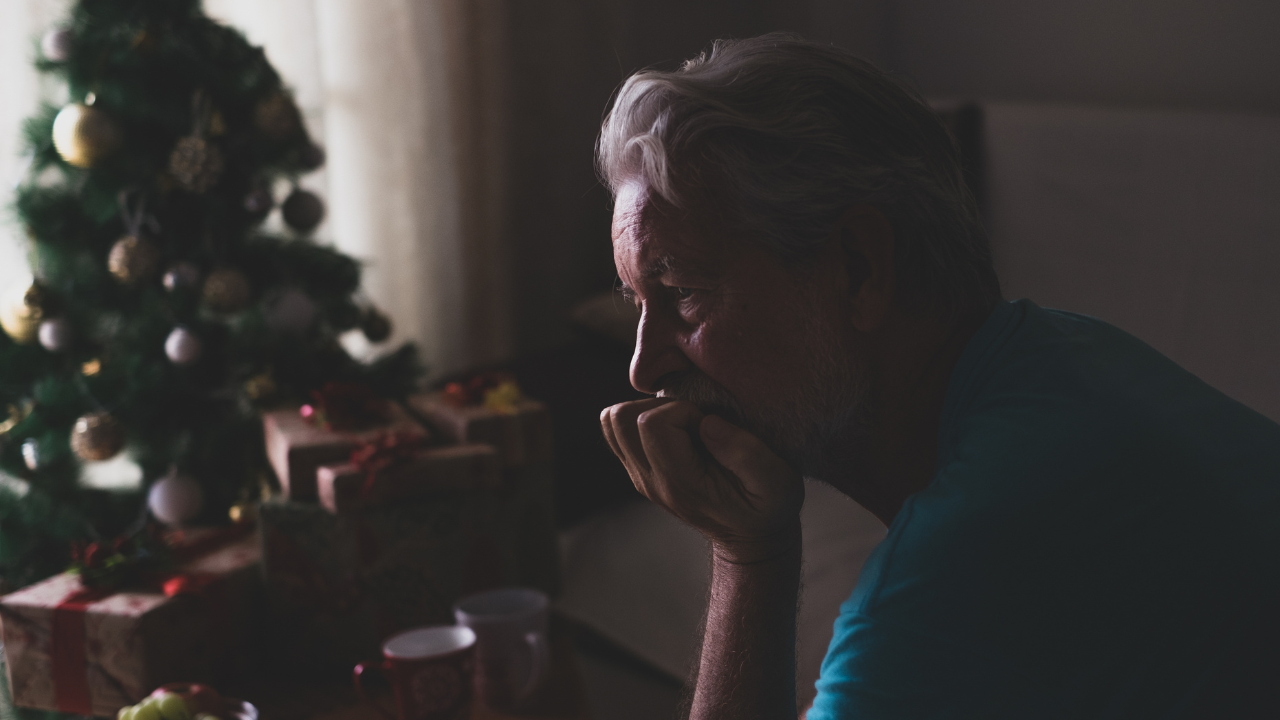
Divorce often changes how people experience social events, holidays, and gatherings. Situations that once felt normal as a married couple may suddenly feel emotionally awkward or isolating after separation. Over time, however, many divorced adults build smaller but more meaningful support systems. New friendships sometimes develop naturally through shared experiences, hobbies, or emotional growth during this transition.
11. Financial pressure increases

© Shutterstock / eggeegg
Running a single household later in life can create significant financial pressure, especially for individuals approaching retirement. Housing costs, healthcare expenses, savings plans, and long-term financial security often require major adjustments after divorce. For many people, this is one of the most stressful parts of rebuilding their lives independently. Many people may need to revisit budgeting, housing costs, retirement plans, and long-term financial security after divorce.
12. Shared routines disappear overnight
© Shutterstock / Thanumporn Thongkongkaew
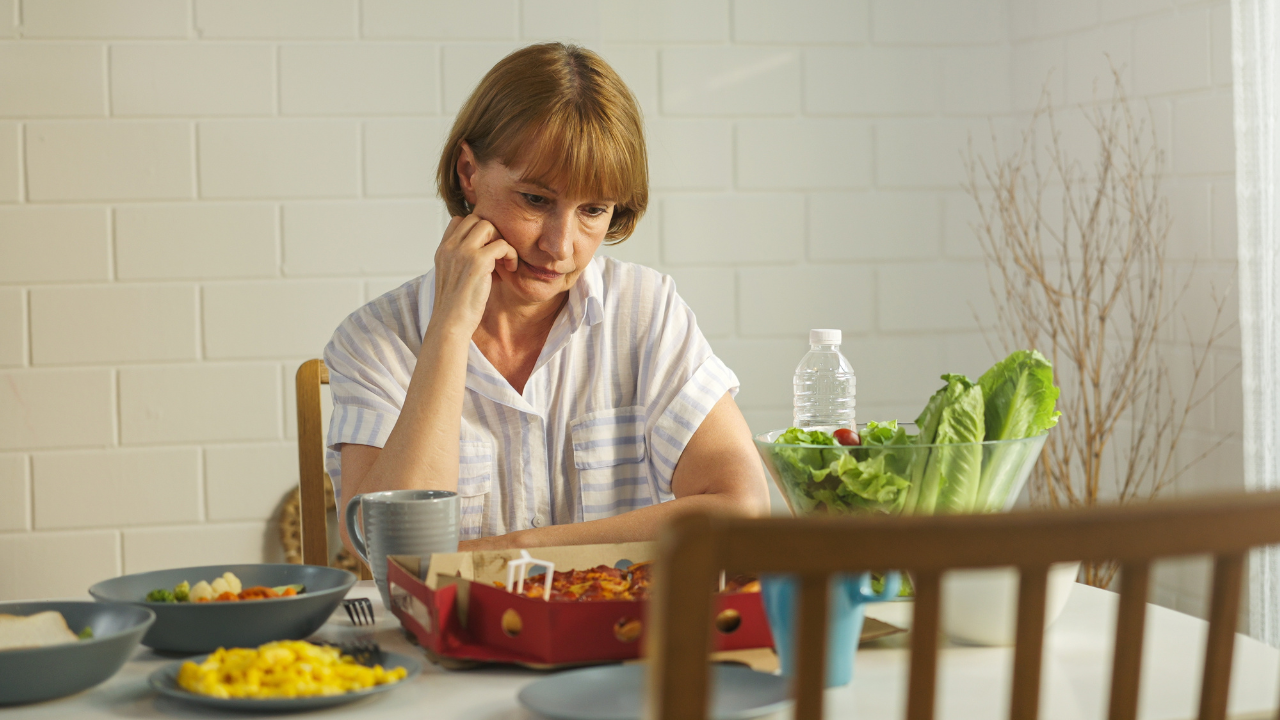
Many people underestimate how deeply daily routines become connected to long-term relationships. Small habits involving meals, television shows, errands, holidays, or household responsibilities suddenly change once the relationship ends. Although the adjustment can initially feel emotionally disorienting, new routines eventually begin to form. Slowly creating fresh habits and personal traditions often becomes an important part of emotional recovery and rebuilding independence.


Comments (0)
No comments yet. Be the first to share your thoughts!