

Long-lasting marriages are rarely built on grand gestures alone. More often, they grow through small daily habits that create trust, stability, and emotional connection over time. Couples who remain happy together for decades usually develop routines that make both partners feel valued and supported. While every relationship is different, many strong marriages tend to share similar patterns when it comes to communication, respect, and emotional care. Here are some of the habits husbands in lasting marriages often practice consistently.
1. They make their partner feel appreciated
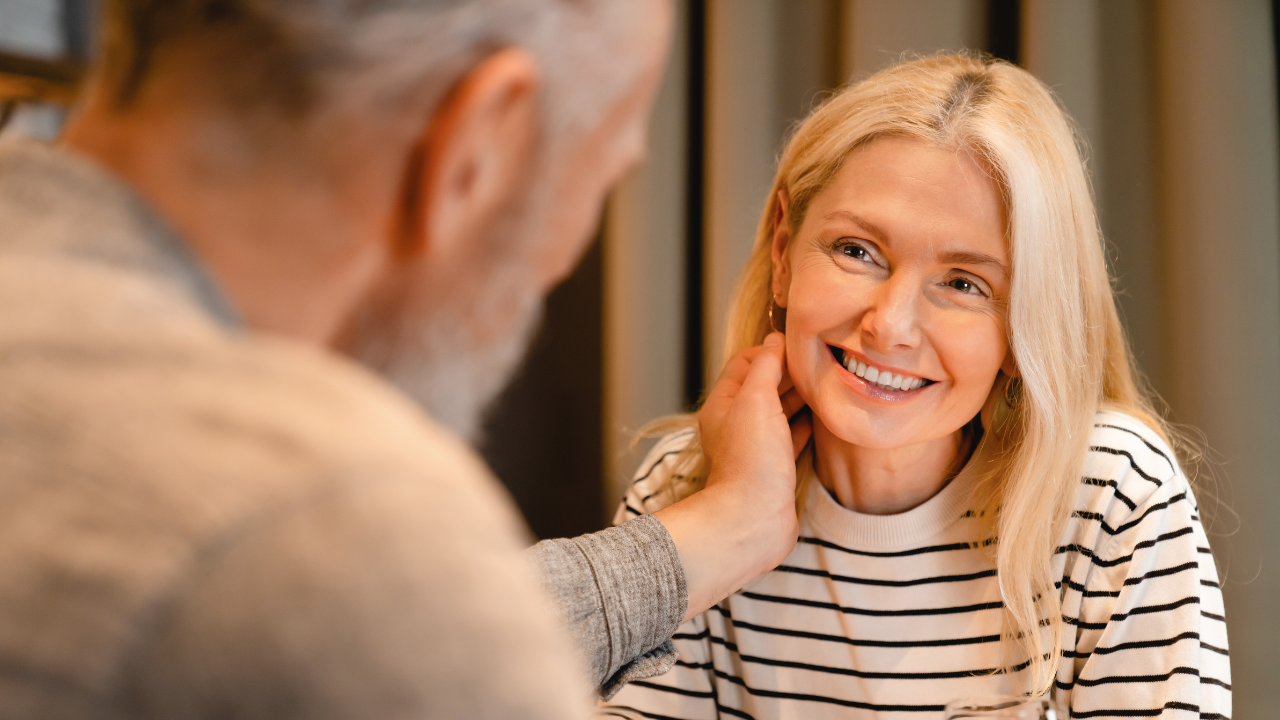
In healthy marriages, appreciation doesn’t disappear after the early stages of the relationship. Husbands who maintain strong long-term connections often make an effort to acknowledge what their partners do, whether it’s emotional support, daily responsibilities, or small, thoughtful gestures. Feeling appreciated can help both partners feel more emotionally connected over time.
2. They stay reliable during difficult moments

One quality many people value in a long-term partner is consistency. Husbands in stable marriages often show up during stressful situations rather than withdrawing emotionally. Whether dealing with work pressure, family responsibilities, or personal struggles, reliability can create a strong sense of emotional security in a relationship.
3. They communicate openly and respectfully

Healthy communication is often one of the strongest predictors of relationship satisfaction. Husbands in happy marriages typically make space for honest conversations without turning every disagreement into a major conflict. Listening carefully, expressing concerns calmly, and respecting each other’s perspectives can strengthen trust over time.
4. They continue putting effort into the relationship

Long-term relationships still require attention and care. Husbands who remain happily married often continue doing thoughtful things for their partner, even years later. Small actions like checking in during the day, helping with responsibilities, or planning quality time together can help prevent the relationship from feeling emotionally distant.
5. They support their partner’s goals and growth

Strong marriages usually involve mutual encouragement rather than competition. Husbands in healthy relationships often support their partner’s ambitions, personal interests, and long-term goals. Feeling emotionally supported can create a stronger partnership where both people continue growing individually and together.
6. They know how to handle conflict without disrespect

Disagreements are normal in every relationship, but the way couples handle them often matters more than the conflict itself. Husbands in lasting marriages generally avoid insults, manipulation, or unnecessary hostility during arguments. They tend to focus more on solving the issue rather than trying to “win” the disagreement.
7. They maintain emotional loyalty
Trust is often built through everyday behavior, not just major promises. Husbands in stable marriages usually prioritize honesty, emotional consistency, and clear boundaries with others. Emotional loyalty can help both partners feel secure and respected within the relationship.
8. They make their partner feel emotionally safe

Emotional safety often allows relationships to grow stronger over time. Husbands in healthy marriages typically create an environment where their partner feels comfortable expressing feelings, concerns, and vulnerabilities without fear of judgment or ridicule. This type of emotional trust can deepen intimacy in long-term relationships.
9. They continue finding ways to make life enjoyable together

Couples who remain close over the years often continue laughing, sharing hobbies, and enjoying everyday moments together. Husbands in happy marriages may understand that emotional connection is strengthened not only through serious conversations but also through shared joy, humor, and companionship.
10. They respect individuality within the marriage

Strong marriages often involve togetherness without control. Husbands in healthy long-term relationships usually understand the importance of personal space, friendships, hobbies, and independence. Respecting individuality can help both partners maintain a healthy sense of identity while still feeling deeply connected.
11. They treat marriage like a partnership

In many lasting marriages, both people contribute emotionally, mentally, and practically to the relationship. Husbands who stay happily married often approach marriage as teamwork rather than expecting one person to carry the emotional or household responsibilities alone. A strong partnership can create a greater sense of balance, respect, and long-term stability.
Comments (0)
No comments yet. Be the first to share your thoughts!