

Current Date: 6 June, 2026

10 patterns that can make people feel stuck in unhealthy relationships

Many people look back on past relationships and wonder why they stayed so long despite obvious problems. The truth is that unhealthy relationships are not always driven by logic. Emotional patterns, past experiences, and psychological habits often shape who we feel drawn to.

Therapists say that understanding these patterns can help people break unhealthy cycles and build stronger, healthier relationships in the future. Here are 10 common reasons people become attached to relationships that ultimately are not right for them.

1. Familiar pain can feel safer than unfamiliar peace
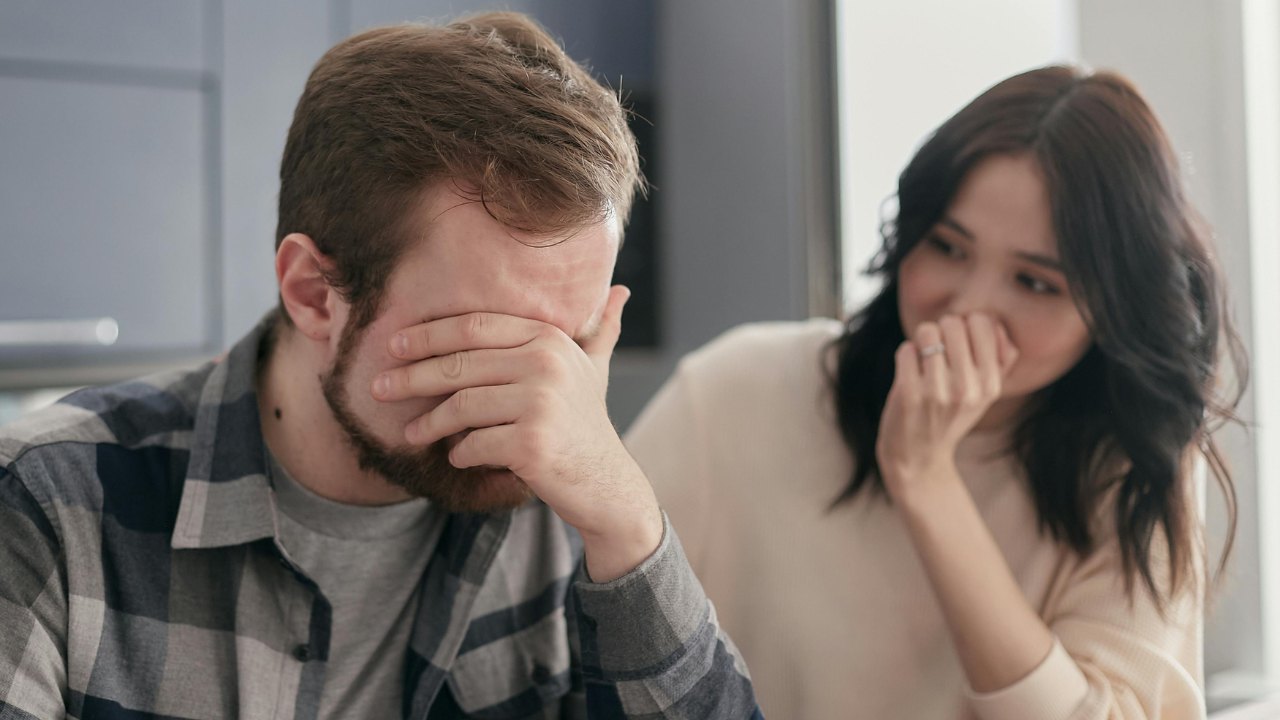
1. Familiar pain can feel safer than unfamiliar peace
© Pexels / Mikhail Nilov

People are naturally drawn to what feels familiar, even when it is unhealthy. Someone who grew up around criticism, emotional distance, or constant conflict may unconsciously see those dynamics as normal. Because of that, calm and emotionally stable relationships can sometimes feel unfamiliar or even uncomfortable. A healthy partner may seem “boring” simply because the relationship lacks chaos. Therapists often explain that many people repeat emotional patterns from childhood until they actively recognize and address them.

2. Intensity gets confused with real connection

2. Intensity gets confused with real connection
© Pexels / Timur Weber

Emotionally intense relationships can create the illusion of deep love. Constant highs and lows often produce strong emotional reactions that feel exciting and addictive. However, therapists point out that emotional chaos is not the same thing as genuine intimacy. Healthy relationships are usually built on consistency, trust, and emotional safety rather than unpredictability. When people mistake instability for passion, they may stay trapped in relationships that leave them emotionally exhausted.

3. Validation can feel more important than compatibility

3. Validation can feel more important than compatibility
© Pexels / RDNE Stock project

Being chosen by someone emotionally unavailable can feel validating. When a distant or inconsistent partner suddenly gives attention, it may temporarily boost self-esteem. Over time, though, the relationship becomes more about seeking approval than building genuine compatibility. Therapists say this pattern often develops when people tie their self-worth to being desired by someone difficult to reach. Real compatibility comes from mutual effort, emotional availability, and shared values, not from constantly chasing reassurance.

4. People often fall in love with potential

4. People often fall in love with potential
© Pexels / Ron Lach

One of the most common reasons people stay in unhealthy relationships is hope. They focus on who their partner could become instead of who they consistently are. A few good moments or promises of change can keep someone emotionally invested for years. Therapists warn that this often leads people to ignore repeated behavior patterns while waiting for a future version of the relationship that may never arrive. Healthy relationships are built on reality, not imagined potential.

5. Struggle is sometimes mistaken for love

5. Struggle is sometimes mistaken for love
© Pexels / Vitaly Gariev

Many people believe that difficult relationships must be more meaningful because they require so much effort. Constant emotional work, repeated arguments, and endless fixing can start to feel like proof of love. Therapists often remind couples that while all relationships require effort, healthy love should not feel emotionally draining every day. Difficulty alone does not make a relationship valuable. In many cases, stability and emotional ease are stronger signs of compatibility.

6. Unhealed emotional wounds repeat old patterns
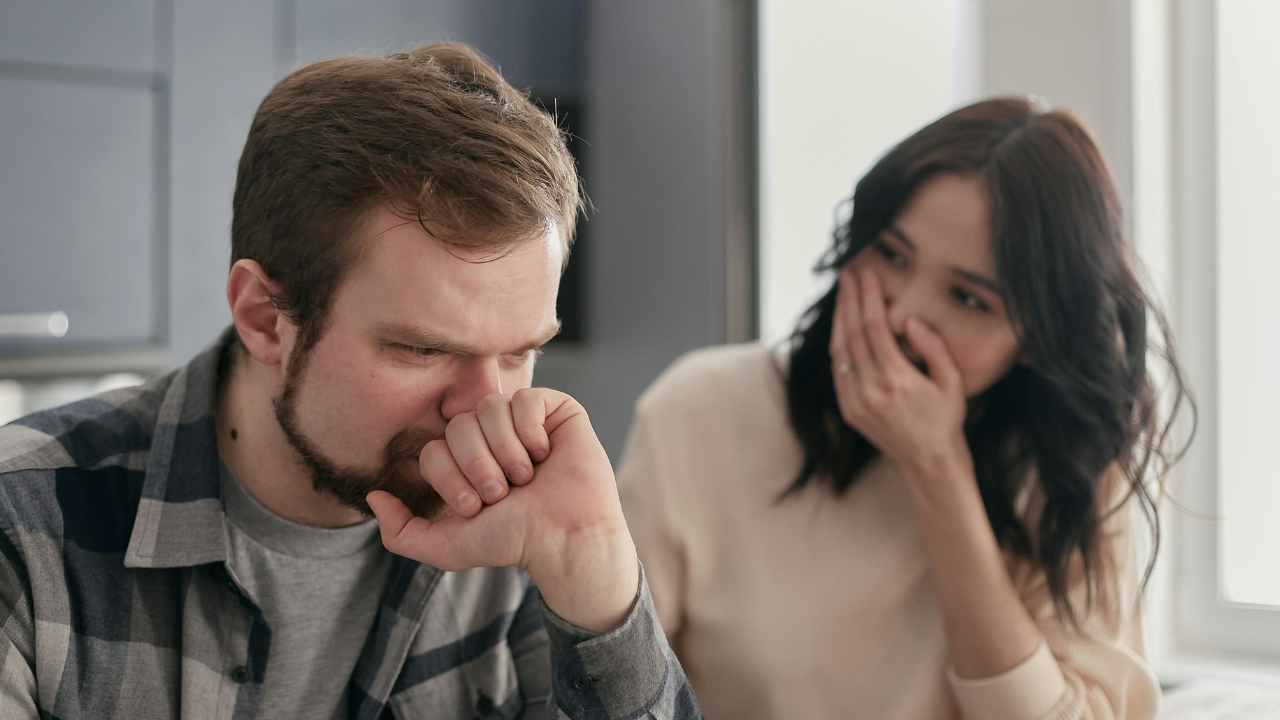
6. Unhealed emotional wounds repeat old patterns
© Pexels / Mikhail Nilov

Past emotional wounds often shape future relationship choices. Someone who experienced rejection, criticism, or inconsistency growing up may unconsciously seek out similar dynamics later in life. Therapists explain that these patterns often operate beneath conscious awareness. People may repeatedly choose partners who recreate unresolved emotional experiences because the situation feels emotionally familiar. Breaking those cycles usually requires self-awareness, healing, and sometimes professional support.

7. Fear of calm relationships can hide fear of intimacy

7. Fear of calm relationships can hide fear of intimacy
© Pexels / Timur Weber

Some people say they lose interest when relationships become calm or stable. In reality, therapists say this can sometimes reflect discomfort with true emotional intimacy. Chaos keeps people distracted, while healthy closeness requires vulnerability, trust, and emotional openness. Stable relationships remove the constant emotional distractions and force people to face genuine connection. For those used to emotional turbulence, that level of closeness can feel unfamiliar or even frightening.

8. People blame themselves for problems they cannot fix
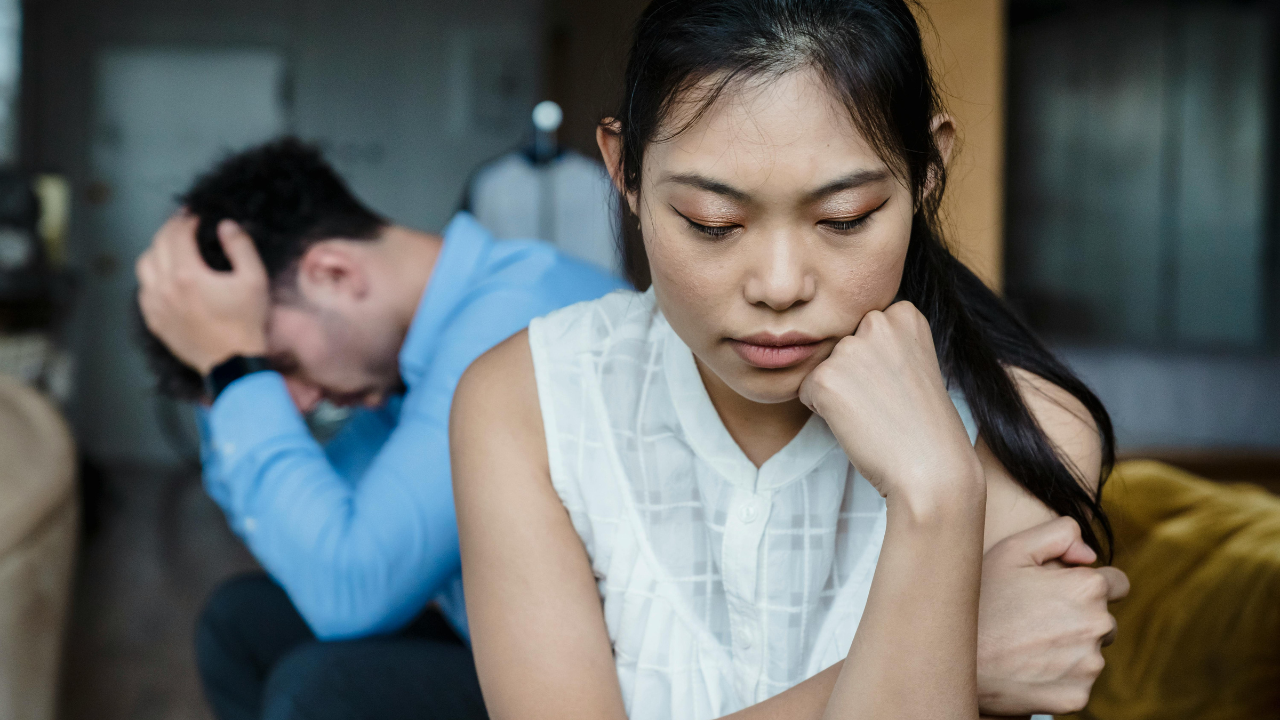
8. People blame themselves for problems they cannot fix
© Pexels / Timur Weber

In unhealthy relationships, many people believe that if they just loved harder, communicated better, or sacrificed more, things would improve. Therapists say this mindset creates a false sense of control. It shifts responsibility away from the other person’s choices and places the emotional burden entirely on one partner. Healthy relationships involve mutual effort. One person cannot single-handedly repair a relationship if the other refuses to participate emotionally.

9. Being needed can feel like being loved

9. Being needed can feel like being loved
© Pexels / RDNE Stock project

Caretaking relationships often create strong emotional attachment. When someone depends heavily on you, it can create a sense of purpose and emotional importance. However, therapists warn that being needed is not the same as being genuinely loved or respected. Relationships built entirely around rescuing or fixing someone often become emotionally unbalanced over time. Healthy partnerships are based on mutual support, not emotional dependency.

10. Letting go can feel like losing part of your identity

10. Letting go can feel like losing part of your identity
© Pexels / Erik Mclean

Long relationships often become deeply tied to a person’s identity. Someone may see themselves as “the loyal one,” “the patient one,” or “the person who never gives up.” Leaving the relationship can feel like losing not only the partner but also the role they built around that connection. Therapists say this identity loss is one reason people stay in unhealthy relationships long after they know something is wrong. Moving forward often requires rebuilding a sense of self outside the relationship and accepting that letting go can sometimes be healthier than continuing to hold on.

Comments (0)

No comments yet. Be the first to share your thoughts!

Leave a Reply