
Parenting is full of unpredictable moments where patience, creativity, and quick thinking matter more than strict rules. Every child reacts differently to instructions, which often pushes parents to find smarter, more flexible ways to handle everyday challenges. Over time, many families develop simple but highly effective tricks that turn stressful situations into smoother, more manageable experiences. These practical parenting approaches don’t rely on perfection, they rely on understanding how children think and using that insight to create cooperation, calm, and connection in daily life.
1. Creative Food Narratives
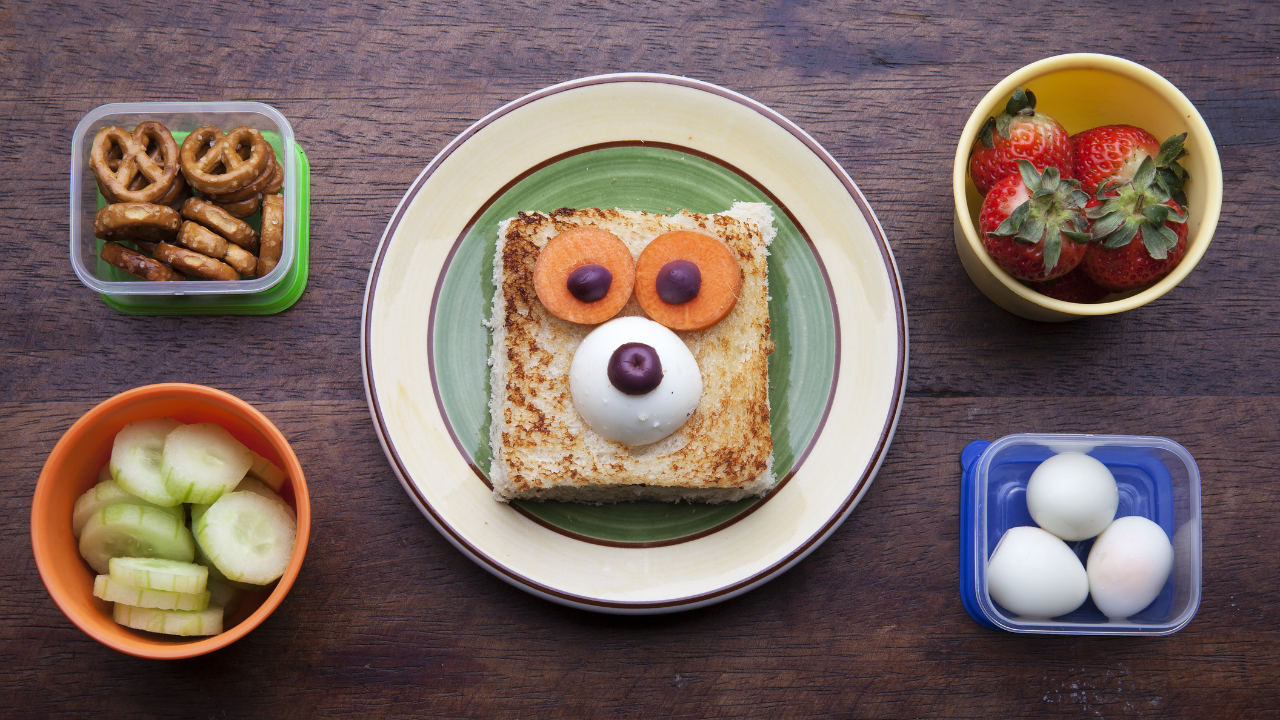
Some parents make food more appealing by adding imaginative stories around it. Calling vegetables “special power foods” or giving meals fun origins can change how children perceive them. This works because kids respond strongly to storytelling, and it transforms ordinary meals into something exciting instead of routine.
2. Magic Fix Comfort Technique
When a child gets a minor bump or feels discomfort, some parents use a playful “magic fix” routine. This might involve pretending to replace the hurt area or performing a small comforting ritual. The goal isn’t to deceive but to shift attention away from pain, which often helps children calm down much faster.
3. Calming Techniques for Babies
For infants, simple soothing methods like swaddling, gentle rocking, shushing sounds, and sucking motions can significantly reduce crying. These techniques mimic the comfort of the womb and help regulate overwhelming sensations. Even as children grow older, some of these calming cues still help during emotional moments.
4. Consistency in Parenting Rules
One of the most effective parenting strategies is consistency. When rules and consequences stay the same, children learn what to expect and feel more secure. Inconsistent responses, on the other hand, often lead to confusion and repeated boundary testing.
5. Gentle Humor for Cooperation
Using humor during resistance can quickly change a child’s mood. Turning a refusal into a silly conversation or exaggerated scenario helps break tension. Instead of escalating conflict, humor shifts the interaction into something lighter and more cooperative.
6. Managing Emotional Scale
Some parents teach children to rate their emotions or voice levels using a scale. For example, 1 could mean whispering and 10 means shouting. This helps kids become aware of how their behavior affects others and gives them a simple way to self-correct without constant correction from adults.
7. Healthy Food Accessibility
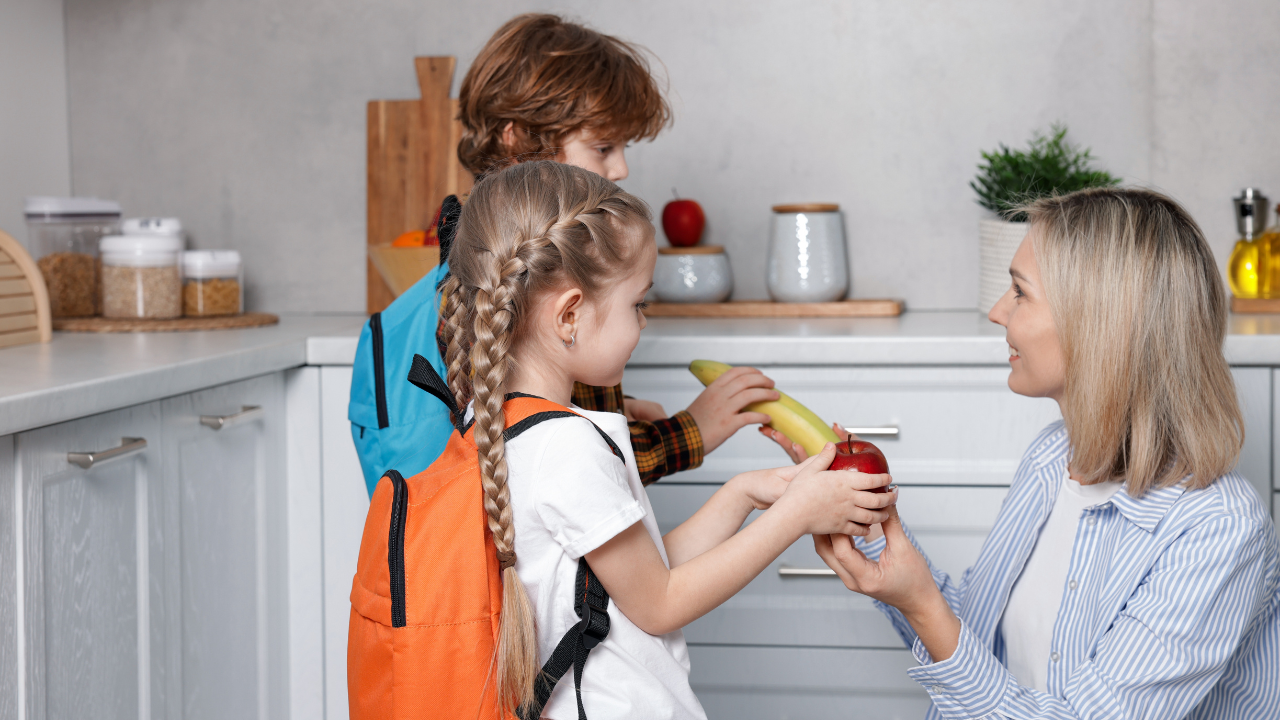
Keeping healthy snacks easily available at home encourages better eating habits. When fruits and nutritious options are visible and ready to eat, children naturally reach for them more often. It reduces dependence on processed snacks without constant restrictions or arguments.
8. Sticker Trick for Branding
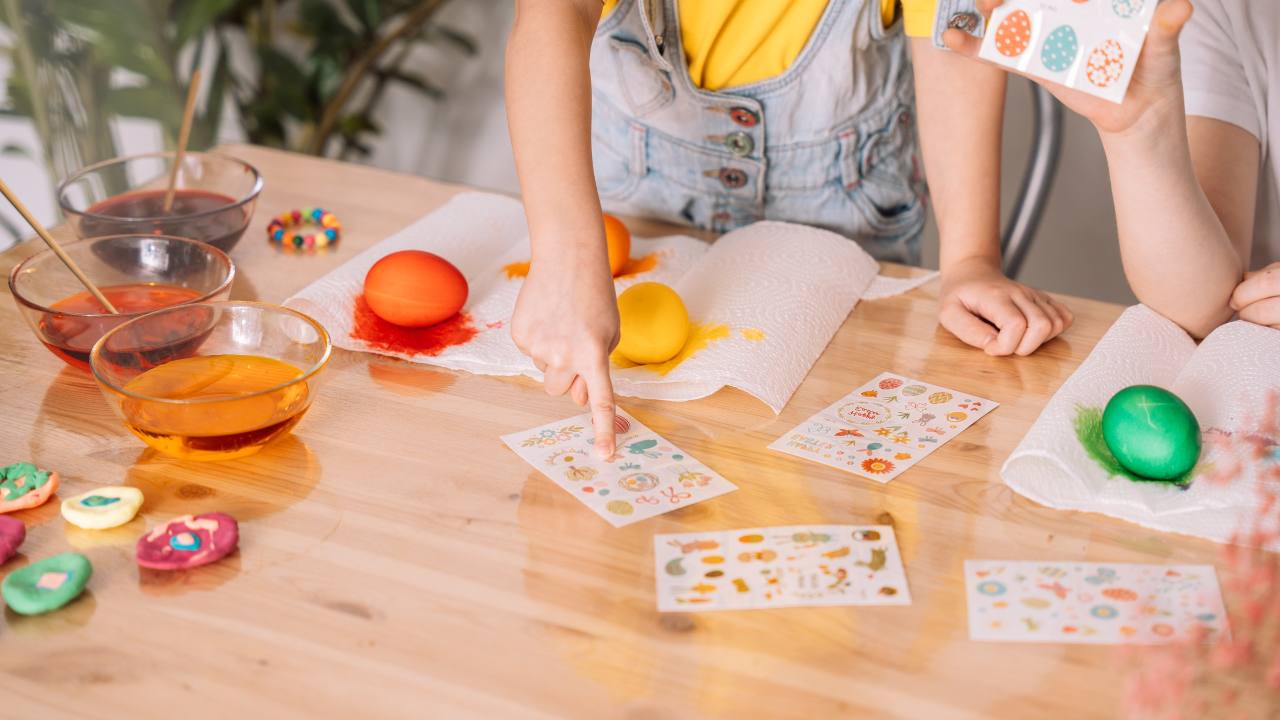
Children are often influenced by branding and characters, so some parents use stickers to make healthy food more appealing. Placing familiar designs on containers can make ordinary food feel exciting. This simple trick leverages familiarity to encourage better food choices.
9. Imaginary Rule Consequences
Some parents create harmless fictional consequences to encourage honesty or good behavior. These imaginative ideas like visible signs of lying or playful warnings can help younger children understand behavior patterns in a memorable way. Over time, kids often outgrow the belief but retain the lesson.
10. Safe Emotional Expression Zones
Providing safe spaces or tools for emotional release helps children process frustration in healthy ways. This could include drawing walls, stress toys, or designated play areas. Instead of suppressing emotions, children learn how to express them without destructive behavior.
Comments (0)
No comments yet. Be the first to share your thoughts!