
Current Date: 5 June, 2026

10 daily hygiene habits doctors frequently recommend to patients

Hygiene is often seen as a basic routine, but small daily habits can have a much bigger impact than most people realize. From preventing infections to improving confidence and social interactions, good hygiene shapes both personal and community health. The problem is that many important habits are either ignored or done incorrectly.

1. Wash Your Hands the Right Way
1. Wash Your Hands the Right Way
© Shutterstock / Dzhafarov Eduard

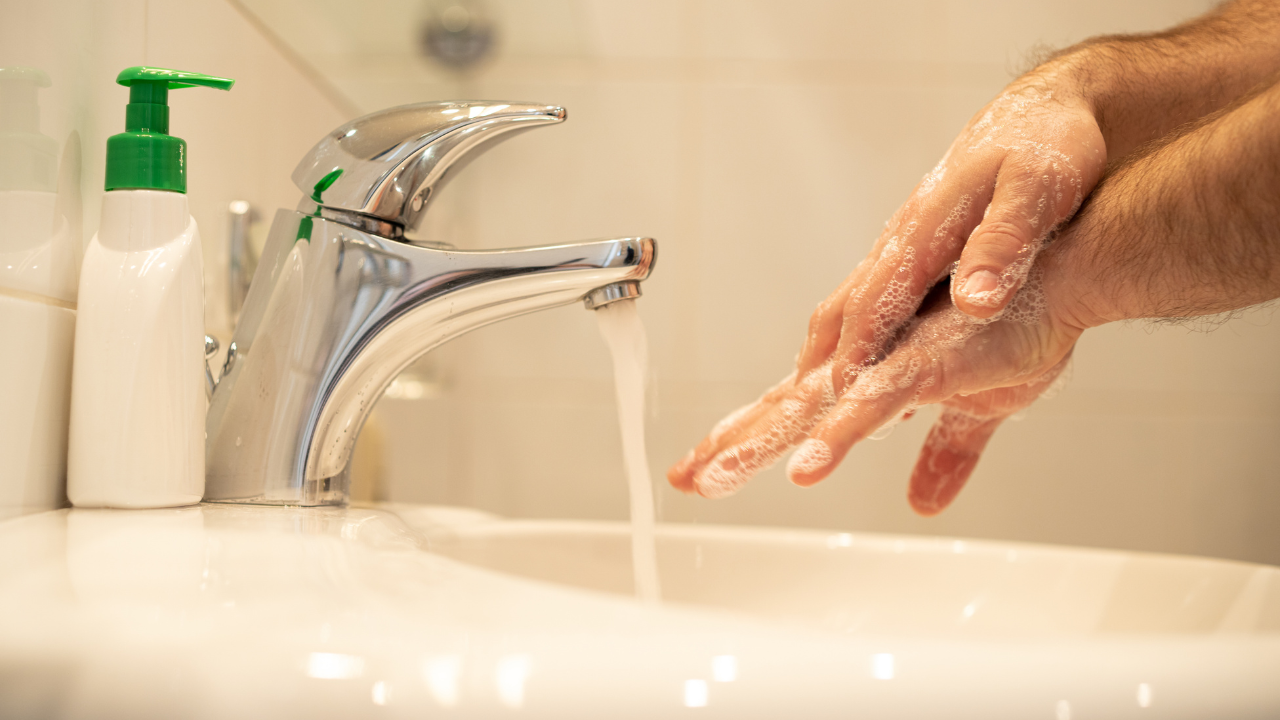
Hand hygiene is one of the simplest ways to stay healthy, yet it’s often rushed or skipped. Germs spread quickly through touch, especially from surfaces like phones and door handles. Washing your hands properly with soap for at least 20 seconds helps remove harmful bacteria and prevents infections.

Best Time to Start: Immediately, from childhood

Time Required: Just 20–30 seconds per wash

Pro Tip: Wash before eating, after using the restroom, and after coming home

Must-Know: Poor hand hygiene is a major cause of disease spread in communities

2. Shower Regularly and Stay Fresh

2. Shower Regularly and Stay Fresh
© Shutterstock / Cast Of Thousands

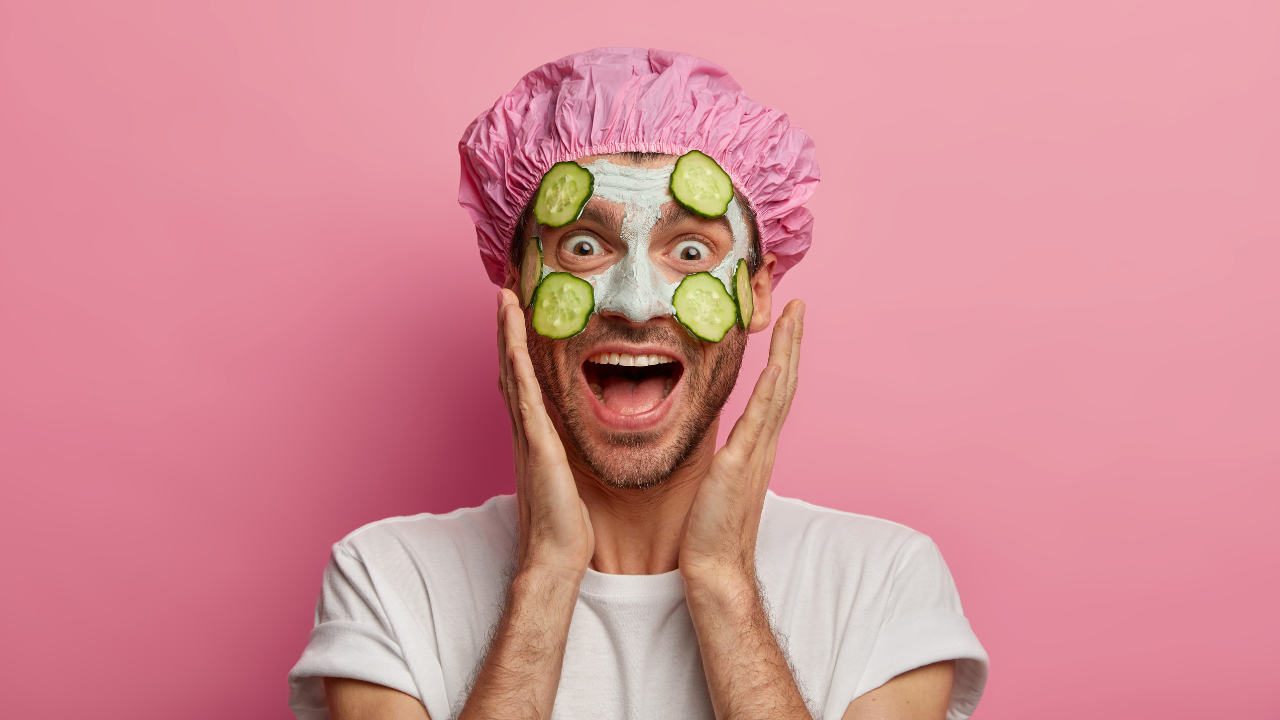
Daily exposure to dust and sweat makes bathing essential for overall cleanliness. Skipping showers can lead to skin issues and discomfort. Regular showers help maintain hygiene, improve skin health, and boost mental freshness.

Best Time to Start: Daily routine, especially after outdoor activity

Time Required: 10–15 minutes

Pro Tip: Use mild soap and avoid very hot water

Must-Know: Personal cleanliness also influences how others perceive you

3. Take Your Oral Hygiene Seriously

3. Take Your Oral Hygiene Seriously
© Shutterstock / PeopleImages

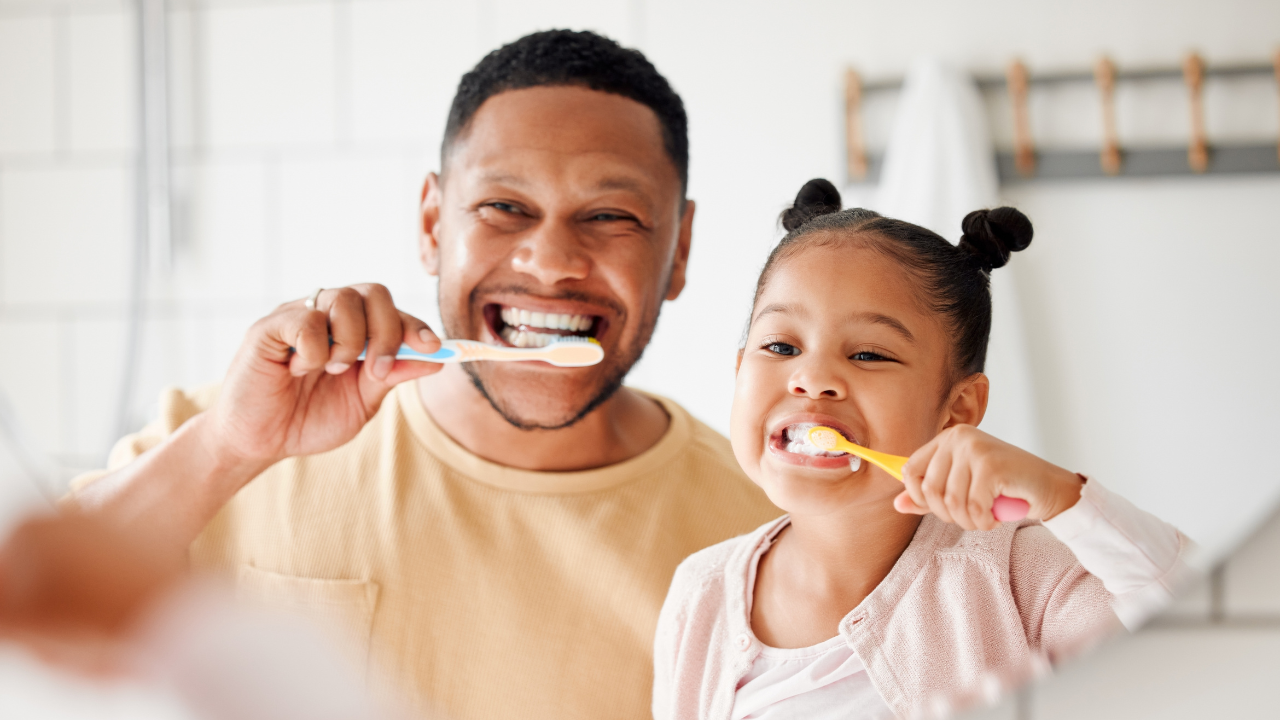
Your mouth can become a breeding ground for bacteria if not properly cared for. Poor oral hygiene affects both health and confidence. Brushing twice daily and flossing help prevent gum disease and bad breath.

Best Time to Start: Morning and before bedtime

Time Required: 2–3 minutes

Pro Tip: Replace your toothbrush every few months

Must-Know: Oral hygiene impacts both health and social interactions

4. Keep Your Nails Clean and Trimmed

4. Keep Your Nails Clean and Trimmed
© Shutterstock / Sorapop Udomsri

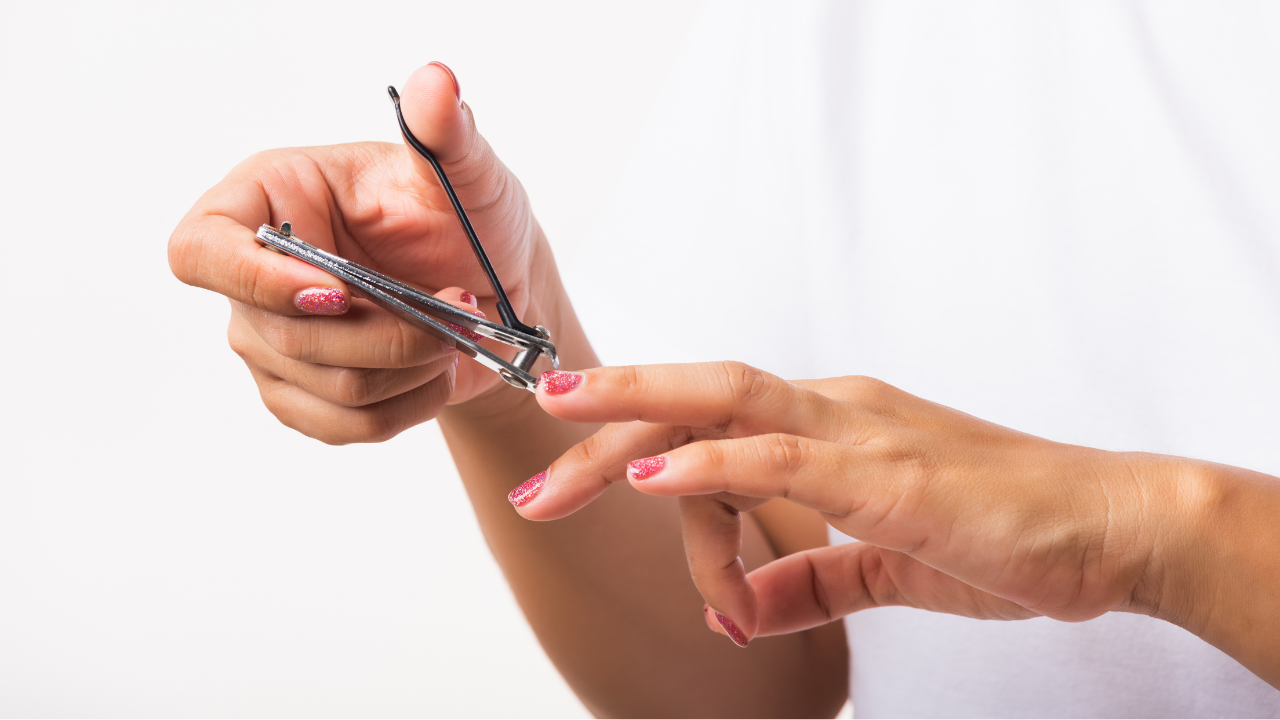
Nails can trap dirt and bacteria that are easy to miss. Even clean hands can carry germs through unclean nails. Regular trimming and cleaning reduce the risk of infections.

Best Time to Start: Weekly routine

Time Required: 5–10 minutes

Pro Tip: Use personal grooming tools only

Must-Know: Nail hygiene is often ignored but highly important

5. Maintain a Clean Living Environment

5. Maintain a Clean Living Environment
© Shutterstock / Dasha Petrenko

Your surroundings affect your health just as much as personal hygiene. Germs can survive on frequently touched surfaces. Cleaning and disinfecting your space helps prevent disease transmission.

Best Time to Start: Daily and weekly routines

Time Required: 15–30 minutes

Pro Tip: Focus on high-touch areas like switches and handles

Must-Know: Poor sanitation is linked to diseases like trachoma and scabies

6. Cover Your Coughs and Sneezes Properly
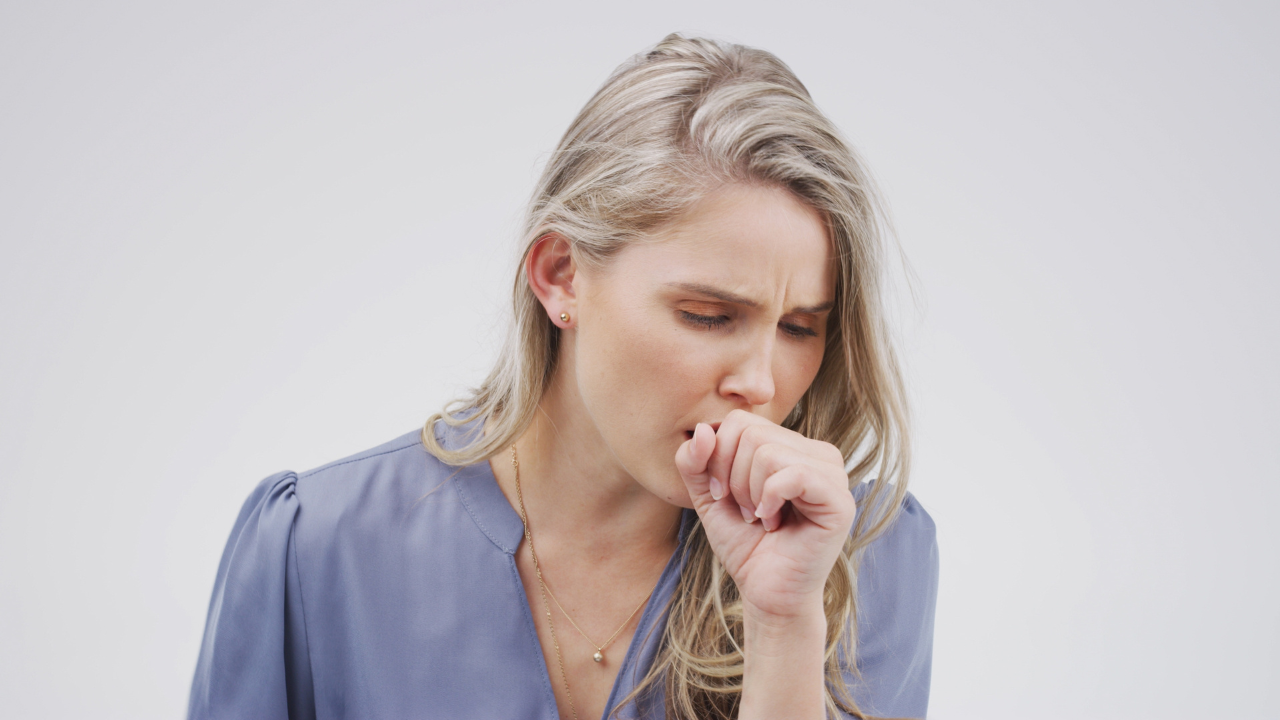
6. Cover Your Coughs and Sneezes Properly
© Shutterstock / PeopleImages

Germs spread quickly through the air when you cough or sneeze without covering your mouth. Using tissues or your elbow helps prevent infections from spreading.

Best Time to Start: Immediately

Time Required: A few seconds

Pro Tip: Dispose of tissues properly and wash your hands afterward

Must-Know: This habit protects both you and those around you

7. Practice Safe Food Hygiene

7. Practice Safe Food Hygiene
© Shutterstock / FamVeld

Food can become unsafe if handled without proper care. Contaminated hands or ingredients can lead to illness. Maintaining hygiene while preparing food helps prevent foodborne diseases.

Best Time to Start: Every meal preparation

Time Required: A few extra minutes

Pro Tip: Wash ingredients and cook thoroughly

Must-Know: Many preventable illnesses start in the kitchen

8. Stay Hydrated for Better Health

8. Stay Hydrated for Better Health
© Shutterstock / Prostock-studio

Water supports essential body functions and keeps your system balanced. Proper hydration improves energy, skin health, and overall well-being.

Best Time to Start: Throughout the day

Time Required: Ongoing habit

Pro Tip: Keep a water bottle nearby

Must-Know: Dehydration often goes unnoticed but affects performance

9. Exercise and Clean Up Afterward

9. Exercise and Clean Up Afterward
© Shutterstock / Studio Romantic

Exercise benefits your body, but hygiene afterward is just as important. Sweat can lead to bacterial growth if not managed. Showering and changing clothes after exercise prevents skin issues.

Best Time to Start: After every workout

Time Required: 30–60 minutes total

Pro Tip: Wear breathable clothes and wash them regularly

Must-Know: Ignoring this step can lead to infections

10. Get Enough Sleep for Strong Immunity

10. Get Enough Sleep for Strong Immunity
© Shutterstock / Prostock-studio

Sleep allows your body to recover and stay resilient. Lack of rest weakens your ability to fight illness. Getting enough sleep strengthens immunity and improves mental health.

Best Time to Start: Maintain a consistent routine

Time Required: 7–8 hours nightly

Pro Tip: Limit screen time before bed

Must-Know: Sleep is a key pillar of overall health

Comments (0)

No comments yet. Be the first to share your thoughts!

Leave a Reply